

Communiqué
An environmental thriller that shines new light on the human cost of coal. “Black Snow” on POV – September 15 at 10 pm
< < Back toPOV
“Black Snow”
Monday, September 15 at 10:00 pm
On June 6, 2019, residents from the Siberian coal-mining city of Kiselyovsk make an extraordinary appeal to Canadian Prime Minister Justin Trudeau. Standing in a barren field, they explain an abandoned Soviet mine has caught fire beneath their neighborhood of Podzemgas, pushing toxic gas into their homes, yet the government refuses to resettle them. They beg for asylum from Russia as environmental refugees.
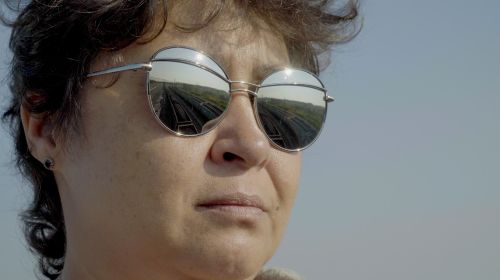
The source of the video is Natalia Zubkova, a 42-year old mother of three, whose YouTube channel — consisting mostly of live, self-narrated, cell phone videos — has become Kiselyovsk’s only independent news outlet. Kiselyovsk is among the most polluted cities in Russia. Within the space of a decade, nine massive open pit coal mines and three coal processing plants have opened there, cloaking it in year-round smog. Many believe the coal industry has taken over the city, operating outside the constraints of environmental laws, yet with tacit backing from the government. The region has among the lowest life expectancy rates in Russia.
Natalia is convinced her own daughters’ health problems are caused by coal pollution. This is why she began reporting on the city’s environmental issues, even though the work pays nothing and her husband, a coal truck driver, deeply opposes it. Early that year, freshly fallen snow blanketing the city had turned black because a local coal processing plant lacked filtration. Residents flooded social media with eerie videos of the apocalyptic landscape, but government-controlled news outlets remained silent. Natalia filled this void; her critical coverage of the black snow crisis turned her channel into a trusted local news source, but it also put her on the government’s blacklist.
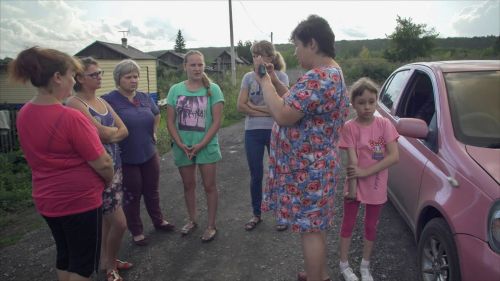
When Natalia publishes the video appeal to Trudeau, it sparks a media maelstrom in Russia, fueled by Alexei Navalny and other independent news outlets. Within 48 hours, it airs on Canada’s CBC news, prompting an official response from the Canadian government and garnering the attention of the state’s powerful governor, Sergei Tsivilev, a coal oligarch married to Putin’s first cousin.
A week later, Governor Tsivilev arrives in Podzemgas. After touring the burning fields with residents, he announces the government will launch an investigation to determine the true cause of the fire. In the meantime, all 71 families of Podzemgas would be resettled. For Natalia and the residents, it is an extraordinary victory; they had forced the government’s hand using nothing but their creativity, a cell phone and an internet connection.
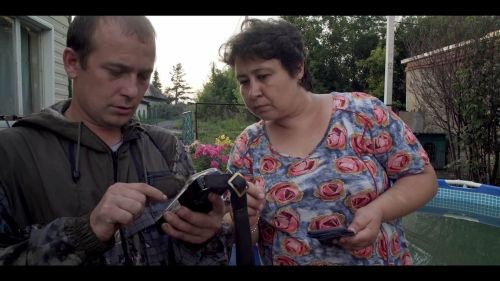
But Tsivilev’s promise turned out to be a lie. The decision was reversed and they soon found themselves the targets of a massive disinformation campaign. Despite government pressure and constant police surveillance, Natalia launches her own scientific investigation, discovering new coal fires and documenting shocking levels of toxic gas. The government responds to Natalia’s controversial reporting with a devastating, final assault — this time, targeting her family. Faced with a painful ultimatum, Natalia must decide how much she is willing to sacrifice to protect those she loves.