

News
“This happened in our country and we can’t erase it.” A southeast Ohio museum displays soil from lynching sites
By: Kaitlin Thorne | The Ohio Newsroom
Posted on:
This story contains graphic details of racial violence, including lynching.
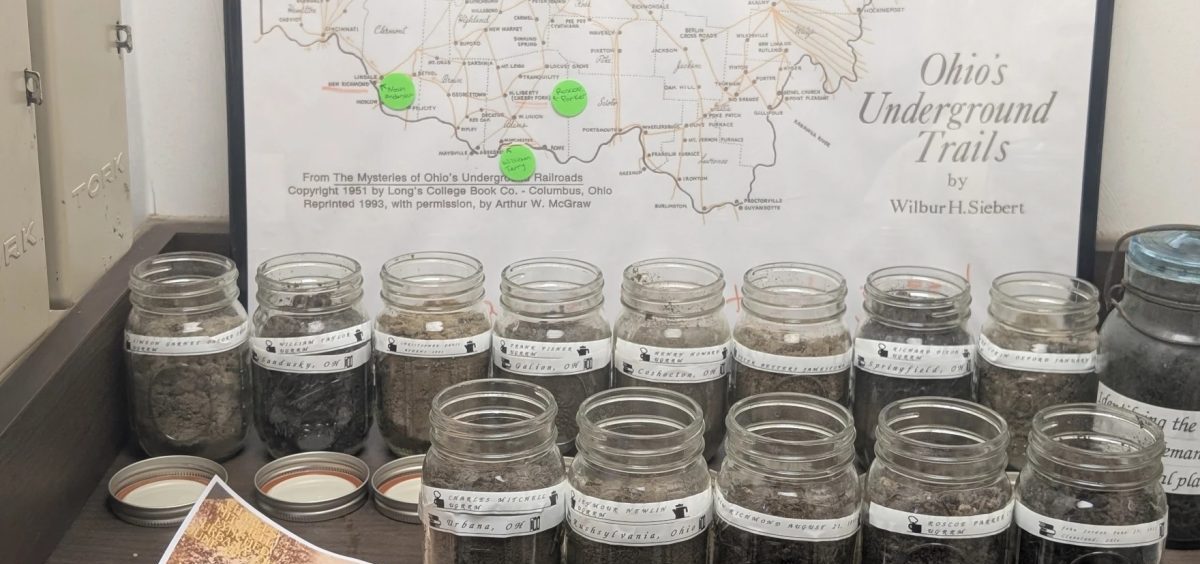
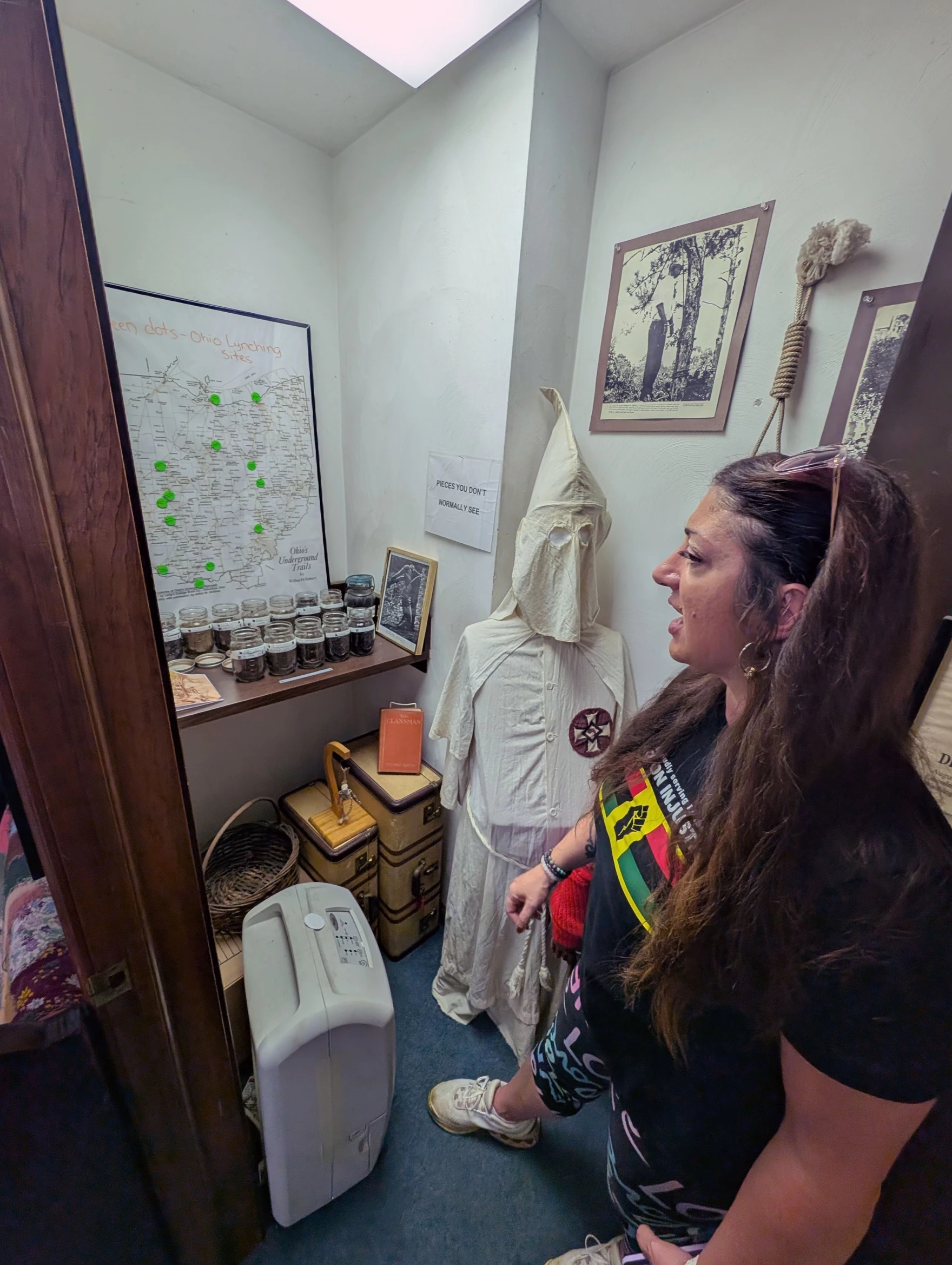
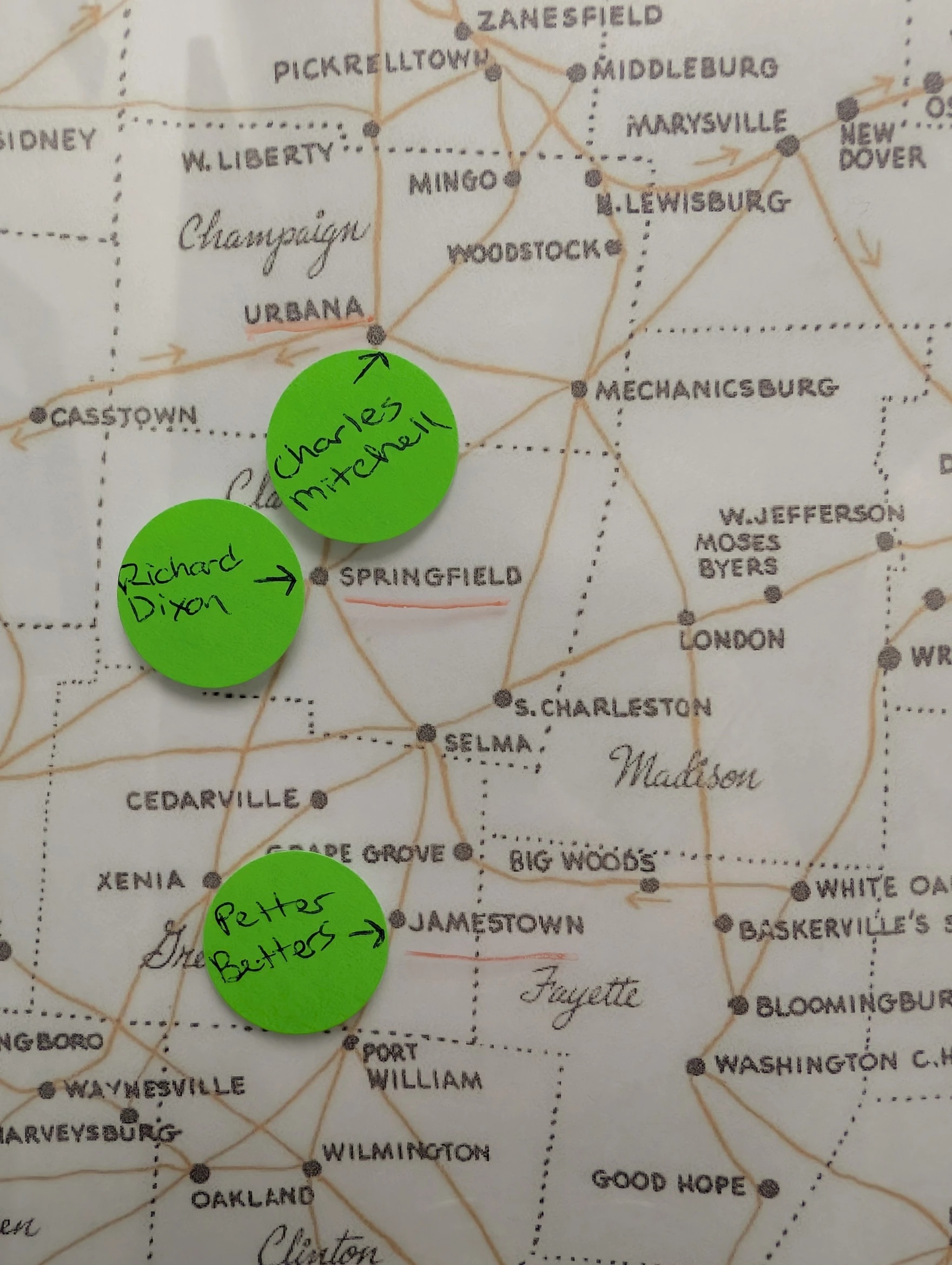
BELMONT COUNTY, Ohio (The Ohio Newsroom) — On a small shelf in an old brick building in Belmont County sit 14 jars of soil. Each is labeled with an Ohio city alongside a man’s name and contain dirt from sites across the state where the men were lynched.
The jars are on temporary display at the Underground Railroad Museum in Flushing, before the museum moves into its new home in Morristown, 8 miles down the road, this fall.
Kristina Estle, director of the Underground Railroad Museum, and museum board member Anthony Atkins drove out with trowels to collect soil samples from each of the lynching locations earlier this summer. In addition to the soil, the exhibit will tell the stories of each man’s life and murder: like Henry Howard, a Black man from Florida who traveled to Coshocton for a mine job in 1885.
The day after he arrived in town, law enforcement accused him, with no evidence, of assaulting two women . He was arrested and placed in jail. Soon after a community mob arrived at the jail and demanded he be hanged. The police put up no resistance and allowed the mob to take Howard. They lynched him on the court house lawn before he could go to trial.
“Most of these were on the lawns of court houses. They were spectacles,” Estle said. “They would attract crowds of thousands. For Henry Howard they chopped off fingers and toes. His toe was displayed in a jewelry store for decades.”
A history of racial violence
In the era of American slavery, Ohio was a free state and a major point on the Underground Railroad. Dotted across the state are plaques marking stops and notable conductors who helped countless people seek freedom in the north.
Estle believes this view of Ohio can make it easy for people to ignore the history of racial violence in the state.
“A lot of people think lynching is a thing of the south. They have no idea that it happened here in Ohio,” Estle said.
Hasan Kwame Jeffries, an associate professor of History at The Ohio State University, agrees.
“It shows us, it tells us that white supremacy wasn’t just a regional thing,” Jeffries said. “That white supremacy was a national belief system that manifested itself in different regional ways.”
Jeffries says racism was baked into Ohio’s foundation from the beginning: in the first years of Ohio’s statehood Black residents were required to prove their freedom with a certificate and convince two white landowners to put up a $500 “good behavior” bond to authorities if the Black newcomer got into legal trouble. Black Ohioans were also barred from testifying in any court cases involving a white person. These were known as “The Black Laws,” and wouldn’t be repealed in the state until decades later.
Changes
In the last 18 months, the Trump Administration has taken a number of actions to de-emphasize certain chapters of American history, directing the Department of Interior, for instance, to ensure monuments, statues or memorials do not “inappropriately disparage Americans and instead focus on the greatness of the achievements and progress of the American people.”
But that hasn’t deterred Estle from telling the story of Ohio’s less heroic past.
“People need to know this history. In today’s day and age everyone is trying to erase Black history, trying to pretend it didn’t happen, or they are mad that it hurts white people’s feelings,” Estle said. “This happened in our country and we can’t erase it.”
The Museum in Flushing gets around 11,000 visitors per year. Overall, visits are down from previous years. Estle says the museum used to be a popular field trip destination for public schools, but last year they didn’t host one.
It’s hard on the non-profit museum in a largely white area.
“We don’t have a large Black population, if we did, we’d have a lot more support,” Estle said.
Jeffries says it’s easy to love stories about the past that make us feel comfortable, but it’s not the only thing we should be learning.
“We’re talking about racial violence and racial terror and lynchings. You should be uncomfortable. This isn’t the Disney version of America. This is American history.”
Jeffries says that discomfort allows us to understand the past and move forward to the future.
Estle agrees. With its new forever home in Morristown, she hopes the museum will help Ohioans see a more complete view of the state’s past and see equality as a challenge for the present.