

News
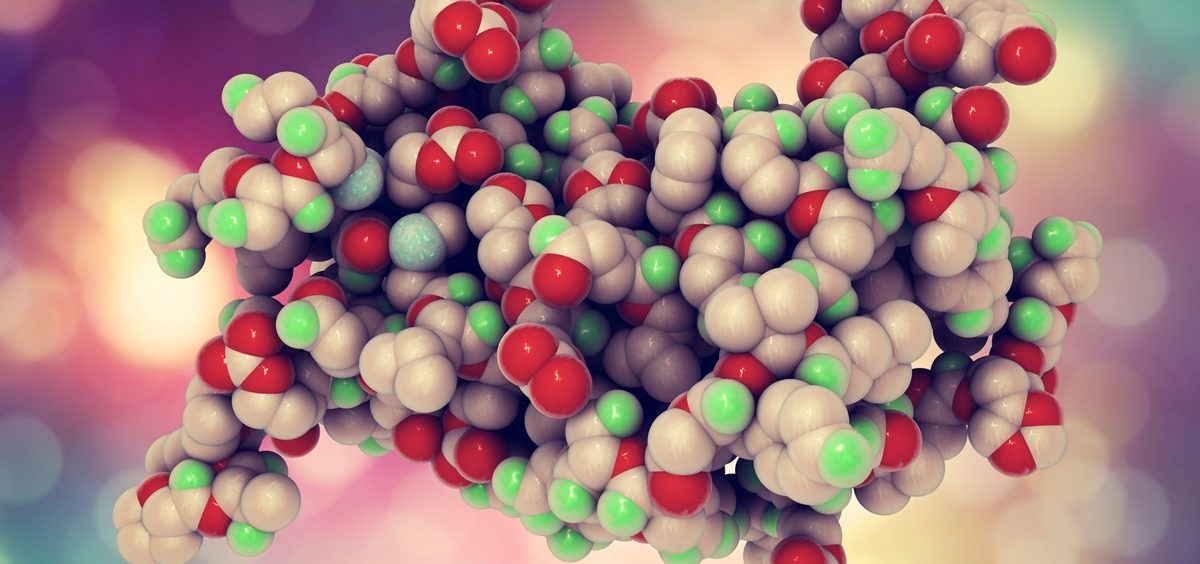
Research from Ohio University’s John Kopchick looks for the benefits of slowing growth hormone as we age
By: David Forster
Posted on:
ATHENS, Ohio (WOUB) — Growth hormones help living creatures like us develop from infants to adults. Our bodies continue producing growth hormone even after we stop growing. But researchers are finding that too much of it can be a problem.
John Kopchick is a professor of molecular biology and principal investigator of the Institute for Molecular Medicine and Aging at Ohio University. Much of his work has been focused on how suppressing growth hormone can help treat certain diseases. The latest research looks at how this hormone suppression may help slow the aging process so we can live longer and healthier lives.
Kopchick sat down to speak with WOUB’s David Forster for “Modern Science.”
This interview has been edited for brevity and clarity.
On the discovery of growth hormone suppression
“We discovered a compound called Pegvisomant, a growth hormone receptor antagonist is the scientific name, but it inhibits growth hormone action. It’s used for people that have too much growth hormone.

Does inhibiting growth hormone simply slow the aging process or inhibit the development of disease?
“They’re interrelated. If you look at healthy aging, they have less of the horrible diseases. We talk about heart disease, cancer, diabetes that stand out. There are many others.”
On when the most appropriate time to intervene with inhibitors is
“We don’t want to inhibit in a child that’s just born. … It’s going to be short. So we want to wait till after puberty. After maturity, after childbearing age, somewhere in the 40s or 50s to see if we could promote this healthy aging and slowing the aging process and age-related problems.”
What the possible benefits of the research are
“If you could remove (age-related disease), just the number of patients that wouldn’t have to suffer. The economic benefit of that is just incredible. Or cancer, let’s go that way. We’re having fantastic results in certain types of cancer in a mouse. We can remove pancreatic cancer with the combination of our drug and some chemotherapy. If that holds through to the society, to the world in general, that’s a drastic, drastic improvement in the human condition and then the associated economic benefits.”
The first draft of the transcript used for this story was created in Adobe Podcast, which includes an AI transcription tool. A WOUB news editor then reviewed, corrected and reformatted the transcript before publication.