

News

An Ohio University researcher studies gambling addiction as betting markets become more accessible
By: David Forster
Posted on:
ATHENS, Ohio (WOUB) — In recent years, many states, including Ohio, have legalized online sports gambling, allowing people to place bets anytime, anywhere as easy as a tap on your phone. Evidence suggests this has led to more problem gambling, as young adults in particular find themselves struggling to regulate their behavior and betting themselves deeper and deeper into debt.
Now, with the more recent and rapid rise of prediction markets, people can bet on, well, anything. These markets are promoted by the companies behind them as trading platforms, much like the stock market. But it certainly looks a lot like gambling and seems to present some of the same risks with potentially a much larger audience. It’s also largely unregulated.
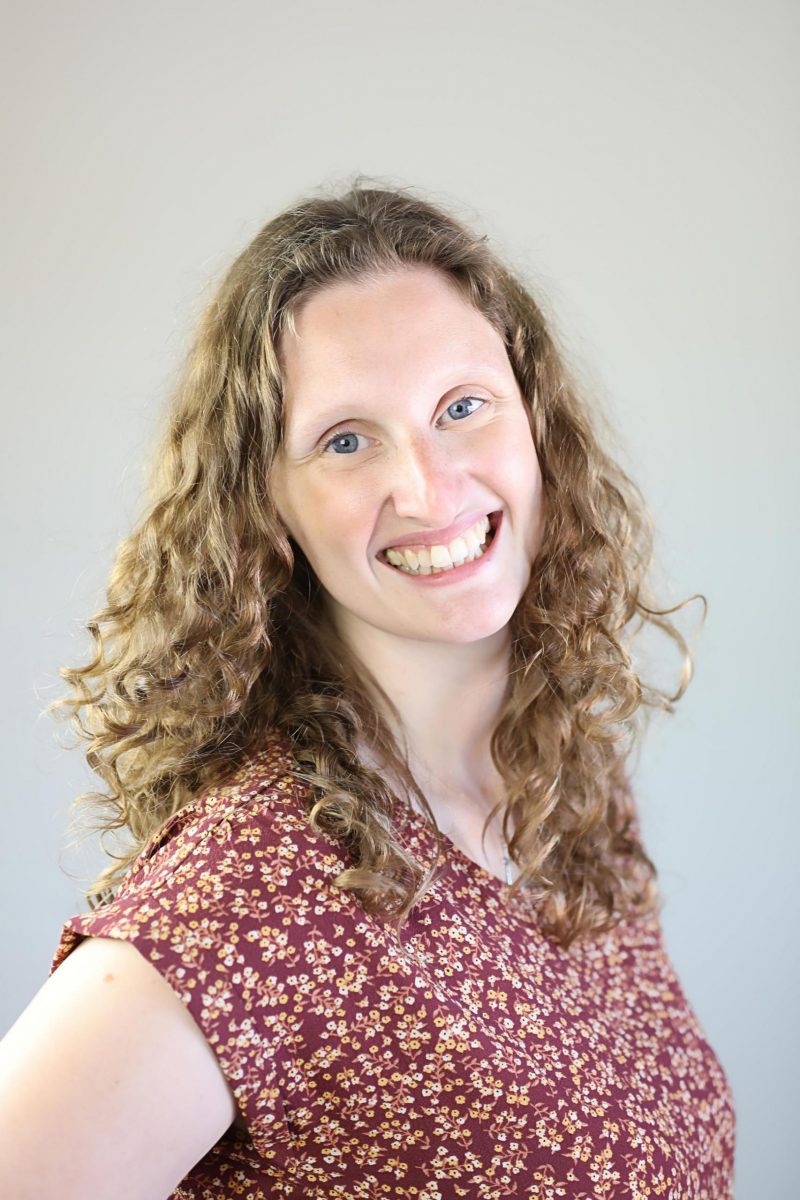
Jennifer Grant Weinandy is an assistant professor of psychology at Ohio University and director of the Thoughts and Experiences of Addiction Lab in the psychology department. Her research examines the ways in which individual and contextual factors influence the diagnosis and treatment of addiction, particularly gambling.
Grant Weinandy sat down to speak with WOUB’s David Forster for “Modern Science.”
This interview has been edited for brevity and clarity.
On part of gambling’s psychology
“We also know that we have different types of games that some people prefer over others. Some people like casino games. They like chance-based games like your slot machines, where I don’t know the outcome, but I’m doing it in part because I just like the high of ‘I might win something. I might win something. Oh, I didn’t win. Oh, I might win something. I might win something.’ And that high is kind of the good feeling, it’s that dopamine increase.
“There’s also some folks that like more sports betting, card games, things that they think that they can have some sort of impact on. Those individuals tend to be more risk taking individuals.”
On the rise of prediction markets
“Based on what we saw with sports betting, when that access increased the number of people gambling has increased. And so, it makes sense that if we also increase access in terms of prediction markets, more people are going to be gambling, more people are going to be experiencing problems with gambling.
“Maybe they weren’t interested in sports, but I am interested in celebrities. I could bet on that.”
On the brain chemistry associated with gambling addiction
On why gambling addiction persists without the reward of winning
“You still get dopamine from that ‘I almost won.’ That’s part of it. There’s also the gambler’s fallacy, right. I could do something better next time. Or I lost this time, but that means next time I’m going to win. It’s faulty thoughts. It’s not true. That’s not how stats and odds work. But you think to yourself, I’m going to win or I’m going to win this money back. That’s the idea of chasing your losses. Like, I lost that money, but next time I’m owed a win and I’m going to bet even more on the next one, because now it’s my turn to win.”
Should prediction markets be regulated?
“This looks like gambling. It feels like gambling. It probably is gambling.
“We already know from sports betting and various other types of gambling that if we increase availability to gambling, we see an increase in gamblers, we see an increase in problem gambling. So my obvious answer to that is, well, yes, we should be doing something to regulate this, at least in some way.
“What that would look like is harder to say, in part because I think we are still having a hard time regulating some of our other types of gambling as well. We have a hard time knowing how to best put in things like age restrictions in a useful way on phones. I think prediction markets are particularly difficult to regulate because of how open ended they are. It makes it really difficult to regulate an industry like that.”
The first draft of the transcripts used for this story was created in Adobe Podcast, which includes an AI transcription tool. A WOUB news editor then reviewed, corrected and reformatted the transcript before publication.