

News
‘A financial lifeline’: Rural pharmacists hope federal funds can bridge healthcare gaps
By: Kendall Crawford | The Ohio Newsroom
Posted on:
CINCINNATI (The Ohio Newsroom) — A large federal grant could help better connect rural pharmacies with local physicians.
The Ohio Department of Health recently announced that $2 million from the Trump administration’s Rural Health Transformation fund will go to the Ohio Pharmacy Association.
The group aims to create a Health Information Exchange network that allows pharmacies to have access to patient medical history. That would help clear the way for small-town pharmacists to provide treatment, in addition to dispensing medication.
“This is going to be something that’s going to really change rural healthcare and how providers talk to each other,” said Sarah Kilpatrick, executive director of the Ohio Pharmacists Association.
‘Healthcare hubs’
For some rural areas, pharmacies are the closest option for care, Kilpatrick said.
“We often hear from rural residents, ‘I have to drive 45 minutes to an hour just to get to an urgent care,’” Kilpatrick said. “The purpose of this grant is in part to say, ‘Hey, your local pharmacy is only five or 10 minutes down the road.’”
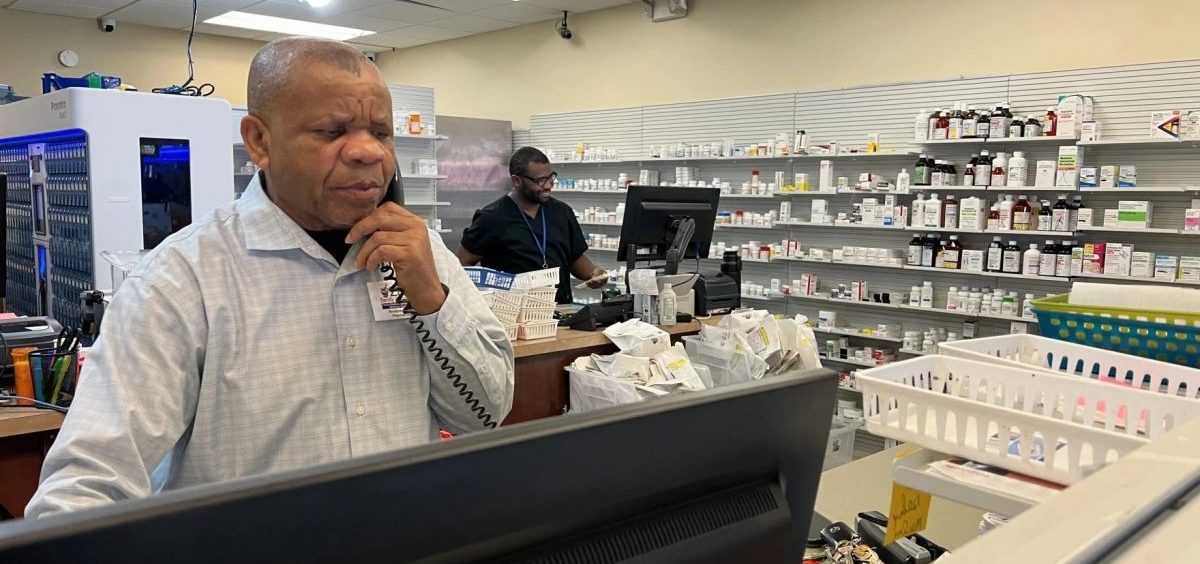
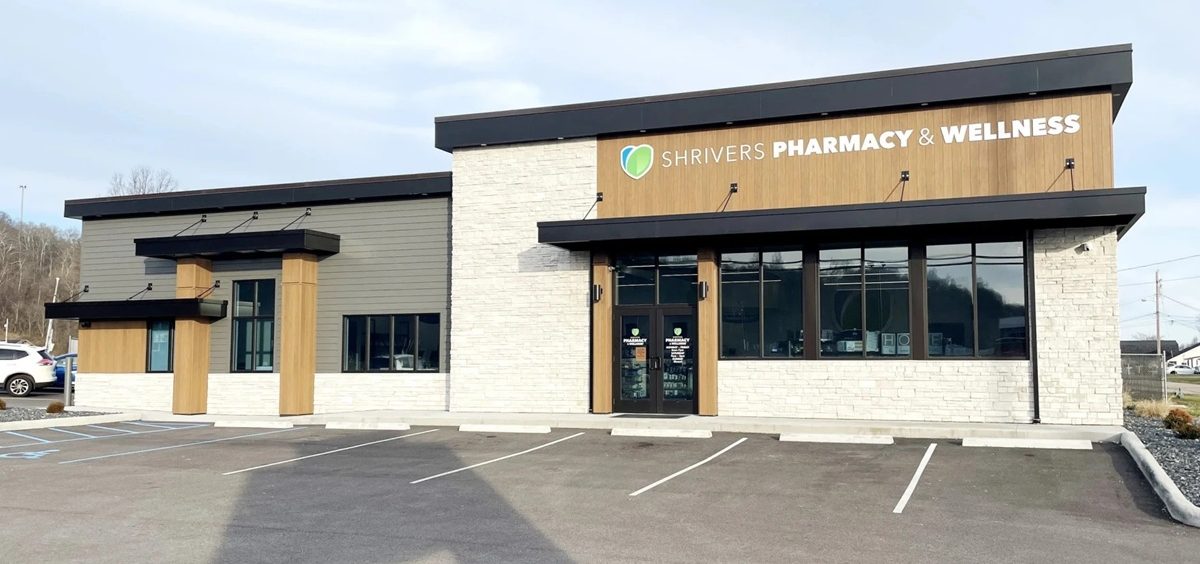
With transportation often a barrier, pharmacies have the potential to become healthcare hubs, said Andrea Kowalski, a rural pharmacist for Shrivers Pharmacy in southeast Ohio. But right now, there are limitations to the services they can provide.
“We may know our patients the best and we may have really good relationships with our patients, but we may not have access to a lot of their health information that would help us to really better serve and optimize their health,” she said.
Leveraging what already exists
The Health Information Exchange would make patient health information accessible with a couple clicks on a screen, rather than a lengthy call or fax to physicians, Kowalski said.
“I can see what labs that they’ve had, what kind of appointments that they had, what happened at their last doctor’s appointment or if they had an emergency room visit,” she said. “So it really just brings a lot more information to the table that, as a pharmacist, allows me to better take care of my patients.”
“It really gives us an extra piece of information that helps us to take the medication side and then apply it in a more holistic approach for our patients,” Kowalski said.
Challenges ahead
The influx of money is the largest grant the Ohio Pharmacists Association has seen in its history. The funds will also be used to buy computer monitors and other tech infrastructure needs.
But, it’s not likely to be a silver bullet, Kilpatrick said.
There are still challenges to providing care. Pharmacy deserts have expanded across Ohio, as hundreds have shuttered in recent years. Kilpatrick says the pharmacy association will continue to work with state lawmakers to address broader issues through policy changes.
“But we do see this as potentially a financial lifeline for some pharmacies so they can keep their doors open and help their local patient communities,” she said.
Kowalski agrees. She said success should be measured not just by the number of pharmacies that adopt the information exchange, but by patient outcomes.
“If there’s a way for us to monitor if chronic diseases monitoring and follow-ups are better,” she said. “In rural areas, patients fall through the cracks all the time.”