

News
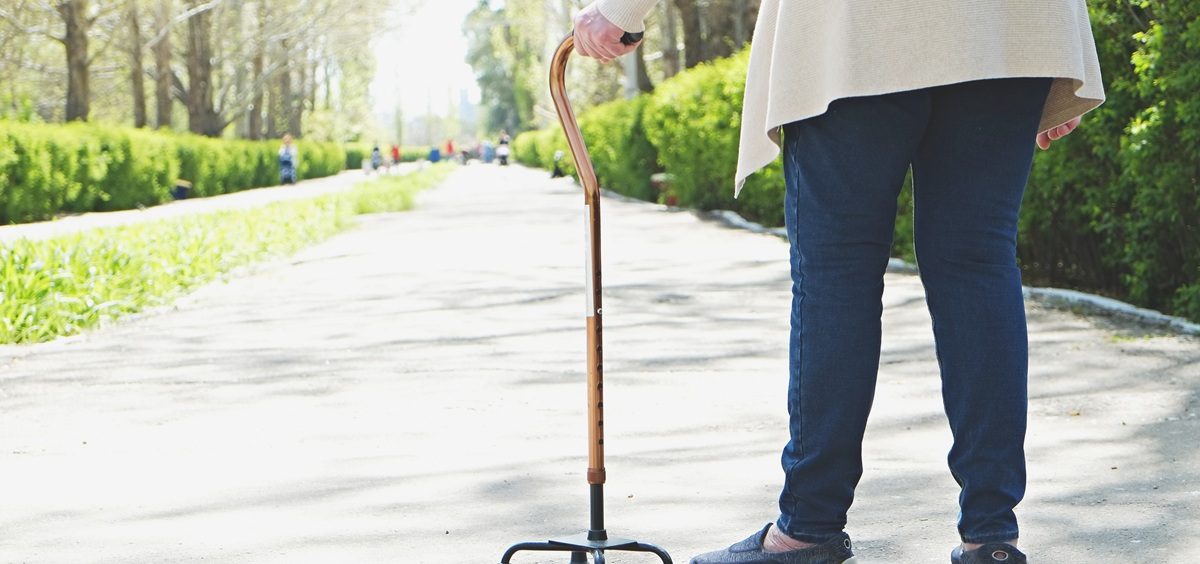
An Ohio University researcher wants to know what is happening to our bodies when our balance is off
By: David Forster
Posted on:
ATHENS, Ohio (WOUB) — For most of us, maintaining balance isn’t something we think much about. It’s pretty much just automatic. But a researcher at Ohio University thinks a lot about how the body maintains balance, and what happens when that automatic control starts to break down.
Aiden Payne is an assistant professor of physical therapy in the College of Health Sciences and Professions. He was part of a research team that recently published a paper looking at how the body compensates when we’re feeling off balance.
Payne sat down to speak with WOUB’s David Forster for “Modern Science.”
This interview has been edited for brevity and clarity.
On what normally keeps us balanced
“We’ve got a lot of different sensory systems that are constantly observing where we are in space and relative to the things around us that are constantly comparing our current state to the balanced upright posture. A lot of them are just involuntarily activating our muscles in ways that maintain our balance for us.
“A lot of it is coming from your brain stem. Most of that control comes from lower (in the brain) than you have any control over.”
How we may start to compensate as we age

“For most people, these higher levels of control get engaged long before they need it. What my work is focusing on is, I want to restore that most automatic level of control and to keep people from shifting to other levels of control too early.”
On why losing the automatic responses has a downside
“One thing is that no matter how good your compensation is, even if it’s very mechanically effective, it is slower than the brainstem level of control.
“The bigger concern really is that it goes offline. Sometimes you can get distracted or think about something else. This level of control that you have been relying on will just disappear for a moment. The brainstem level of control is really much better because it does not turn off under any circumstances. But when you start having to participate, then you start having to participate.
“A lot of older adults will report, ‘Yes, I have to pay attention to my balance all the time. Even when I’m hanging out with friends, I can’t participate in the conversations because my attention is on every step that I take.’ This kind of thing can really steer them to say, ‘I don’t want to go out and participate in this activity that I used to love. Because even if I go and hang out with my friends, I’m not going to be able to enjoy it. I’m not going to be able to participate in the conversations because my attention is on my balance.’
“Then even worse, now we’re not even getting the physical activity and exercise that we need to maintain all of the levels of control. It kind of takes a lot of other things down with it.”
The first draft of the transcript used for this story was created in Adobe Podcast, which includes an AI transcription tool. A WOUB news editor then reviewed, corrected and reformatted the transcript before publication.