

Culture
Now Playing: ‘Wicker’ weaves a wonderfully weird tale of romance
By: Gordon Briggs
Posted on:
The premise is absurd. The sex can be quite frank, and the ending is literally thorny. Thankfully, there aren’t many movies quite like this one playing in theaters right now, and we should be grateful. I’m glad we still get weird adult-oriented fairy tales like Wicker, a film that mixes magic, kink, and comedy, to craft a romance that’s also a stinging critique of the whole institution of marriage.
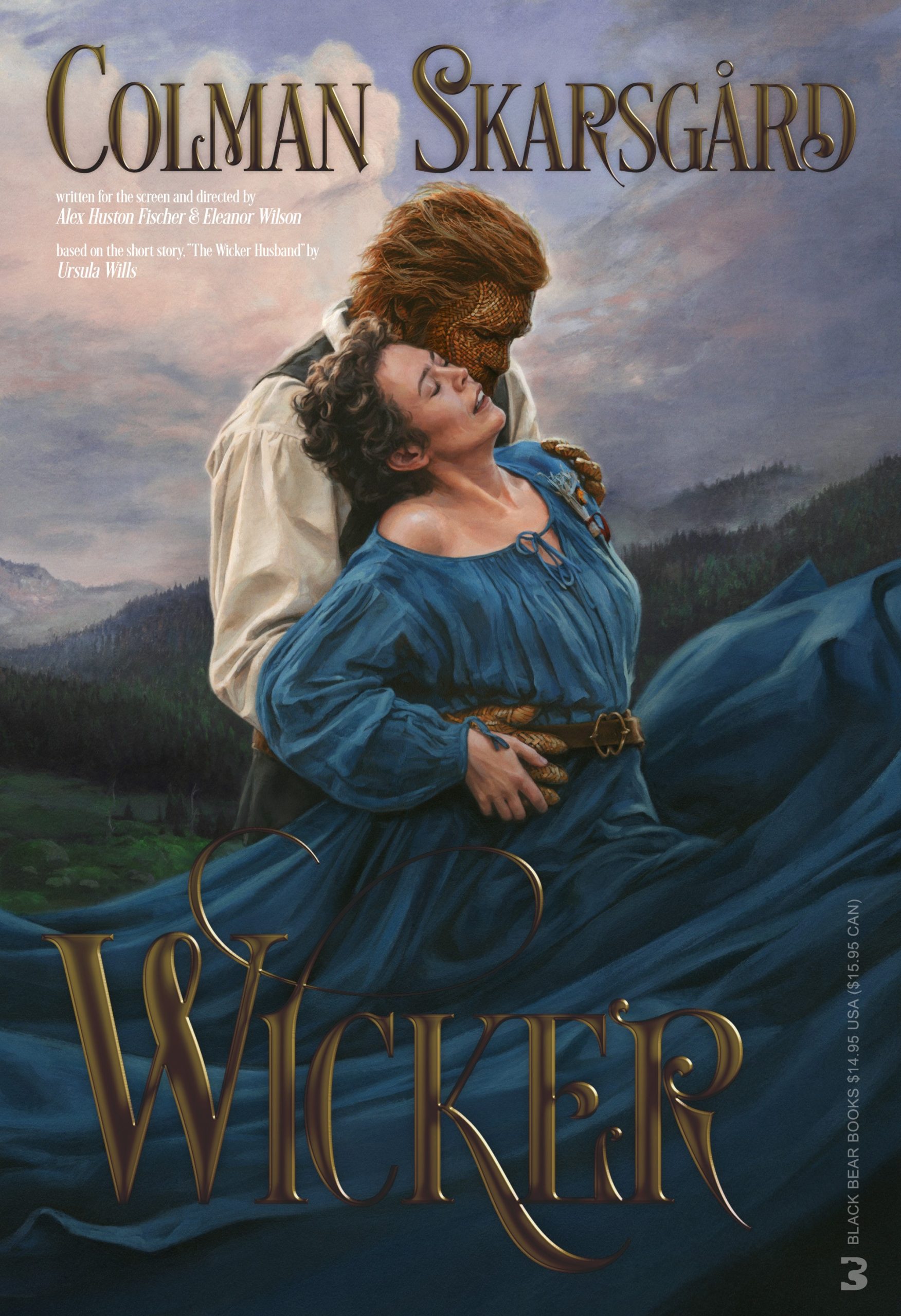
The first question you may ask yourself is, can I feel for a character made entirely of wicker? The answer for me was, yes. Skarsgård brings a quiet, magnetic grace to a character who is literally a woven creation. Despite being glued into prosthetics and a rigid frame for hours a day, he managed to modulate his movements from “stiff wicker” to a soft, fluid, human-like presence.
First off, I like the film’s offbeat tone. I don’t feel the film is meant to be taken seriously. Still, it uses a medieval coastal village setting to explore loneliness, female autonomy, and jealousy, with a subversive, bawdy tone that blends offbeat satire with genuine emotional warmth. Skillfully blending magic and fantasy with more modern sensibilities about female agency, Wicker isn’t meant to be taken entirely seriously, but the film still manages to be sincere.
Plus, I appreciated how the small fishing village is filled with memorable characters. Characters in the town are identified by their professions (such as the Tailor or the Baker), while women are stripped of independent titles and defined purely by their spouses (such as the Tailor’s Wife or the Baker’s Wife). Specifically, I dig how the film uses the townsfolk’s fear of the wicker man to poke fun at conformity. Here, marriage is a repressive, patriarchal transaction rather than a union of love. As a result of the town’s repressed nature, Coleman’s sexual pleasure becomes a threat to the power structure of the village. This movie illustrates that a woman’s happiness can threaten a patriarchal power structure. Of course, I can’t leave out Olivia Coleman. She conveys both raw humor and deep vulnerability as a woman unsure whether her wicker companion genuinely loves her. ★ ★ ★½