

News
Some rural Ohio voters still ‘on the edge’ as election day approaches
By: Amanda Pirani | Ideastream Public Media
Posted on:
WOOSTER, Ohio (Ideastream Public Media) — Each October, Woosterfest draws thousands of people from across Wayne County, part of rural Ohio.
This year, in-between corn hole competitions, the cruise-in car show and wiener dog races, there are reminders of another tradition of the season: the November elections.
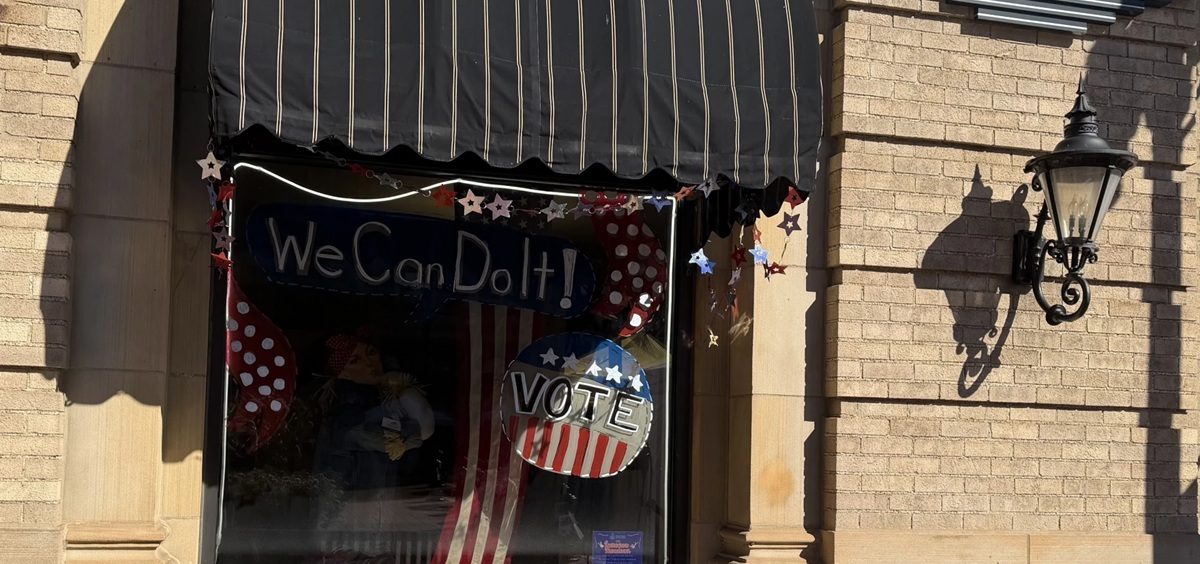
One storefront window features a Rosie the Riveter mannequin encouraging passersby to vote.
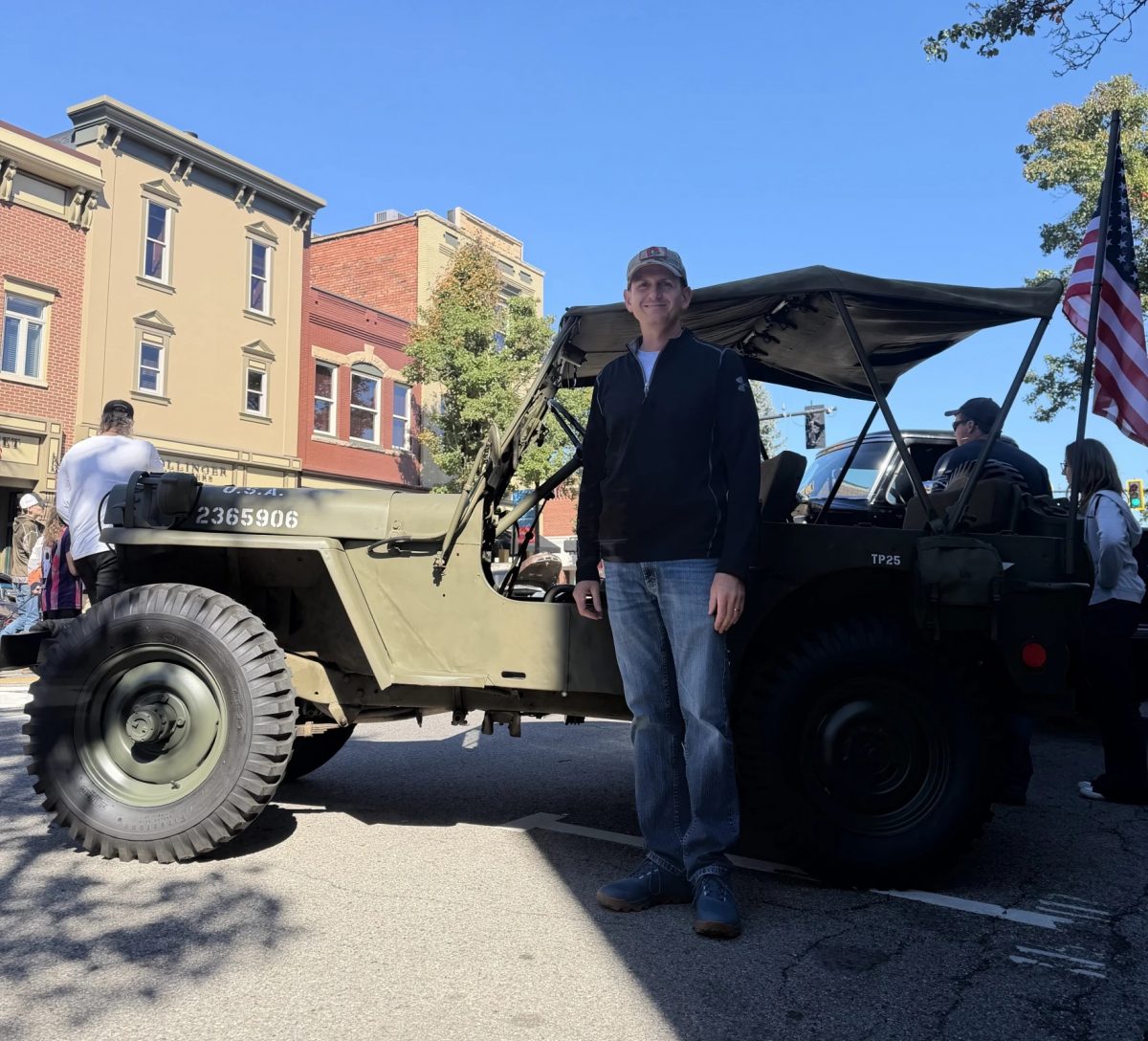
At the cruise-in, Joshua Clegg is standing by his antique 1950s jeep. He already knows who he’ll be supporting next month, though he said he’s not without his reservations.
“I think the Republicans have gotten very lazy in putting forth mediocre candidates and expect us to still vote for them,” he said. “I think they need to do a better job at earning our vote.”
Clegg is a little more optimistic about his local public officials, because he said they understand the issues that matter to Wayne County residents — like property taxes.
He believes if those taxes were lower, the county would lose less farmland to development.
“We live here in town and they’re really high,” he said. “Gotta keep taxes low to keep people here.”
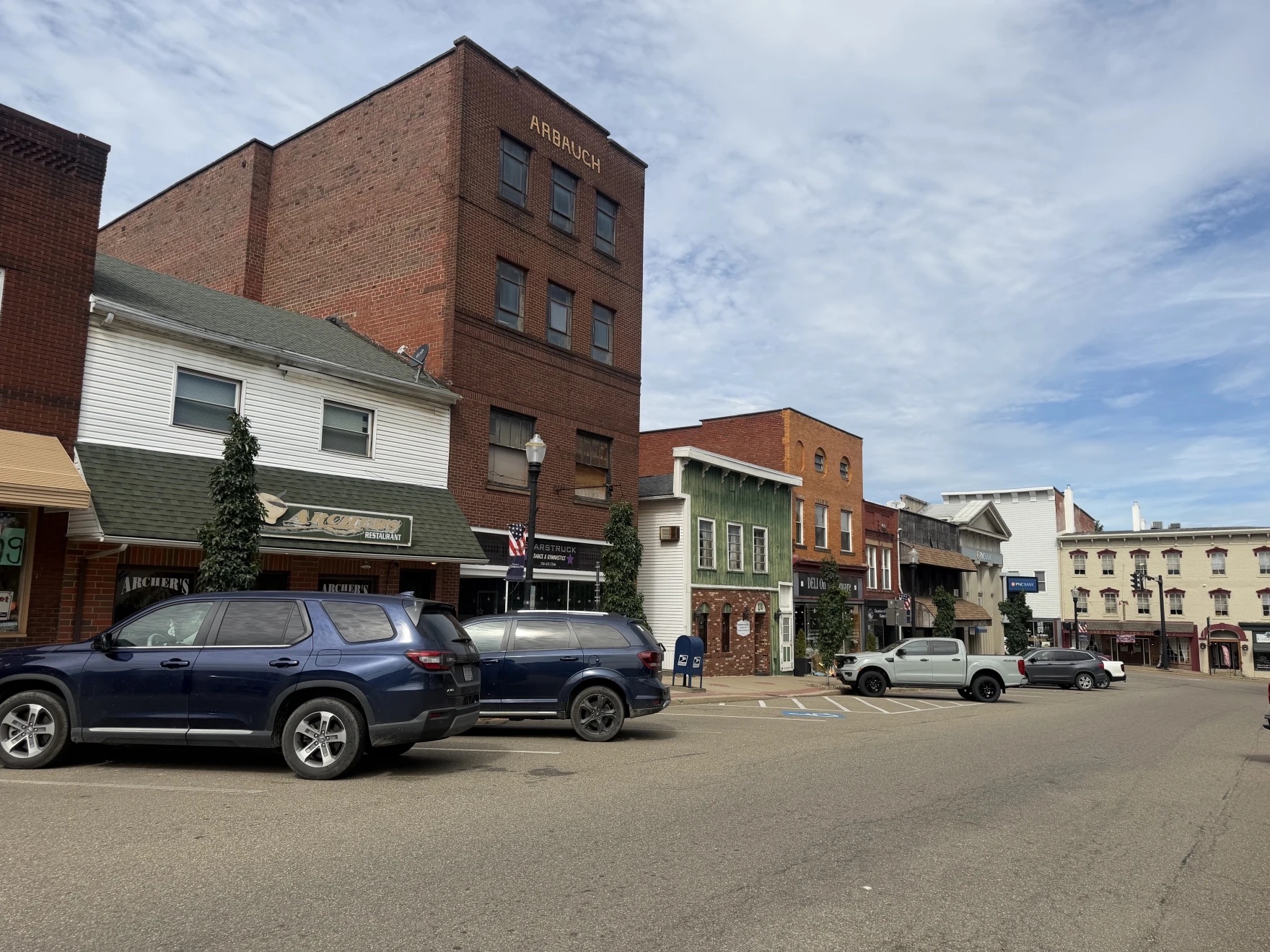
It’s a tight-knit place, known for its historic charm. Rebecca Miller said she feels lucky to have lived there most of her life.
She has a good community, and despite increasing costs, her fixed income is enough to support herself for now. But she worries about what the country’s economic future holds for young people.
“I’m 85, so I’ve seen a lot of things go up,” she said. “But … once they’re up, they stay up, they never go back down.”
Melissa Miller, no relation to Rebecca, is a professor of political science at Bowling Green State University. She says a growing number of rural Ohio voters describe both the state and the country as “on the wrong track.”
Miller helped lead two separate statewide voter polls this year that found the mood among rural Ohioans souring when it comes to presidential approval. And she says that could have an impact on races in Ohio.
“Now that we can all walk around with the national news in the palm of our hand, it’s just so much easier for races to be nationalized,” she said. “But that’s going to be more true, say, of congressional races, that’s more true of U.S. Senate races, than it is of governor’s races.”
Miller said that from April to September, support among rural voters declined seven points for Republican Sen. Jon Husted, while support for Republican Gubernatorial candidate Vivek Ramaswamy remained largely consistent.
In a Carrollton cafe, feelings are mixed.
As he grabs his lunch, Jeff Isabel admits he’s less interested in politics this year, though he’s making a point of staying informed.
Isabel used to identify as conservative, but says he now leans libertarian.
Isabel works in healthcare in Carroll and Columbiana counties. He says residents need better access to resources for mental health and substance use. And more high-paying jobs, so people can stay in their communities.
He’s grown frustrated with what he sees as increased division and mudslinging between candidates. And he’s not sure they’re concerned about the issues that really matter to voters.
“Affordability, housing, schools, gender inequality, gender equality, things like those are all hot topic issues that, I gotta be honest with you, a lot of people in rural Ohio don’t give a s— about,” he said.
Dissatisfaction among some of Ohio’s traditionally red areas has political analysts wondering if dissatisfied voters like Isabel could inch Ohio closer to purple.
Dan Shea, a professor of political science at Colby College in Waterville, Maine, isn’t convinced.
Shea, who studies rural politics, documented the rise and influence of rural voters in a 2024 book.
He said the longer-term consequences of federal policies like tariffs and cuts to Medicaid could affect rural voting. But voting behavior is complicated, and policy isn’t always a deciding factor.
“Do I think that … rural voters will abandon Republicans this time around? Not really,” he said. “I don’t think so. Not yet. But there’s questions.”