

News
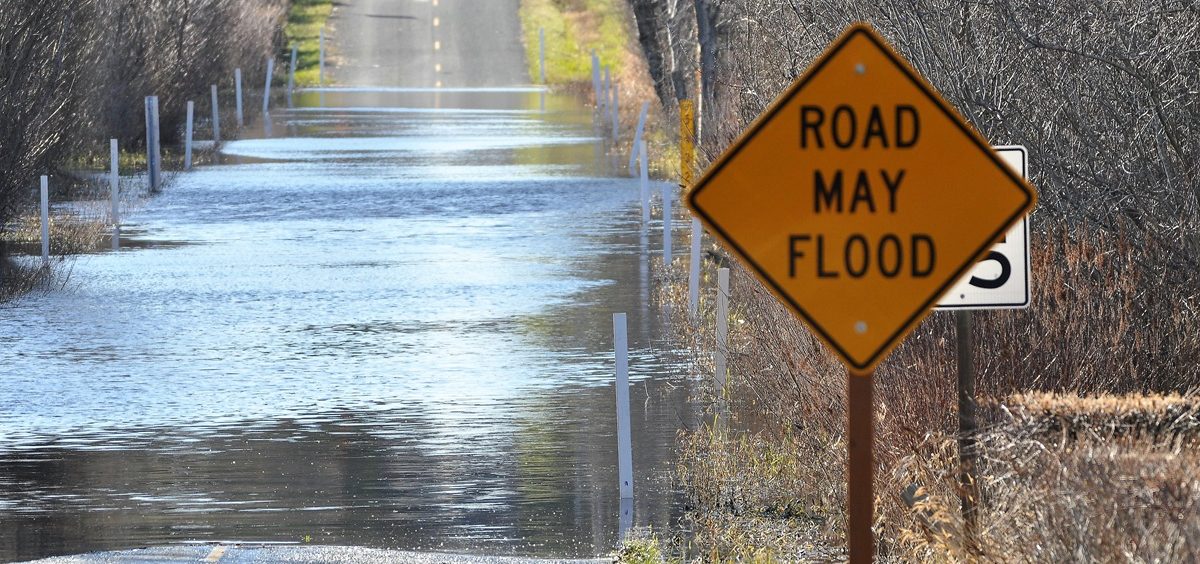
Researchers out of Ohio University find community plays a major factor in preparing for extreme weather
By: David Forster
Posted on:
ATHENS, Ohio (WOUB) — The summer of 2024 brought one of the most sever droughts on record to southeast Ohio. June and July of last year were two of the wettest months on record.
It marks a recent trend of shifting weather patterns in the region that have impacted communities more than in years past.
Natalie Kruse Daniels is the director of the Environmental studies program at Ohio University’s Voinovich School of Leadership and Public Service. She has been researching the risks that increasingly extreme weather poses to southeast Ohio, and the steps communities can take to help better prepare.
She sat down to speak with WOUB’s David Forster for “Modern Science.”
This interview has been edited for brevity and clarity.
On what makes these shifting weather patterns different
“There’s always been a lot of variability. What seems to be new, though, is that we are getting wetter. More rainfall or more snowfall in a single event than we have historically, and more variability. Those storms are more intense with more water in a single event in a shorter time period. And those droughts are deeper and longer without as much relief in the middle.”
What challenges these storms present to communities in southeast Ohio
“We also have social and communication challenges where when you’re living in poverty and you’re not really sure how you’re going to put food on the table or pay for car repairs to be able to get to work or get to your doctor’s appointment or whatever it happens to be. You can’t think about how you’re going to prepare for a flood given those challenges.”
How ‘greenscaping’ plays into stormwater management
“The idea of nature based solutions, or green infrastructure, is to retain the water in the land to slow the water down so it’s not going quickly to the river and causing the river to rise more. That can look like things like planter boxes that are concreted into the edge of parking lots or roads where instead of traditional storm drains that direct that water straight into a pipe, it goes into a planter box with water loving plants that will uptake some of that water. It will just retain some of that water and slowly drain out or slowly drain into the ground. It can look like a low lying area next to a parking lot that just holds water in a rain event. Then as time passes, that water can infiltrate and go down into the ground again.
“The whole idea is try to reduce how much water is zipping over the land, straight to the river and hold it in place. Let it infiltrate into the ground instead. In a lot of our rural areas, that can be a really appropriate approach where we maybe have more land that we could hold water back and improve that sort of retention of the water in the land.
On the steps communities can take to better prepare for disruptive climate change
“We can build resilience in our communities in a number of different ways.
“The one that I’m going to put first and foremost is about connection. Our social connections are a really, really good indicator of how we can weather a storm. You know, metaphorically or literally, right? Knowing our neighbors and having a cooperative approach to addressing a flood or a drought or a power extended power outage due to a winter storm is one of the best things that we can do. That comes down to, you know, knocking on people’s doors and meeting your neighbors and understanding that in some places that looks like doing a community survey to say who needs help and who’s happy to provide help during an emergency.”
The first draft of the transcript used for this story was created in Adobe Podcast, which includes an AI transcription tool. A WOUB News Editor then reviewed, corrected and reformatted the transcript before publication.