

News
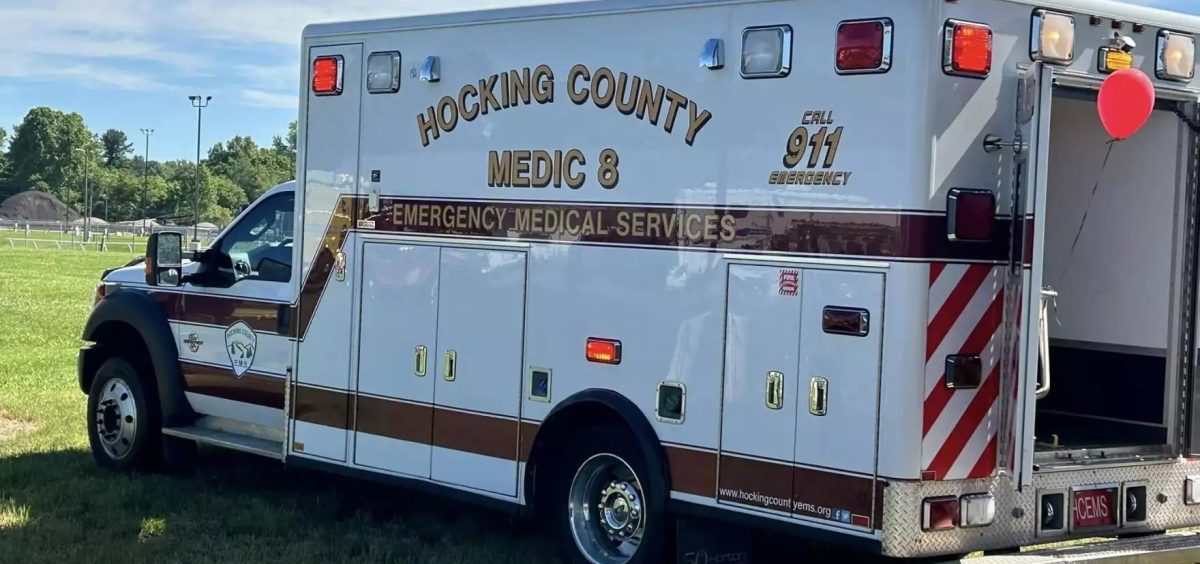
Emergency services in the Hocking Hills are strained. Can a new source of funding help?
By: Erin Gottsacker | The Ohio Newsroom
Posted on:
HOCKING COUNTY, Ohio (The Ohio Newsroom) — Tourism in Hocking Hills has soared in recent years, but funding for the region’s emergency services has not.
Instead, local fire departments have been left to respond to rising numbers of emergency calls with stagnant levels of funding and staffing.
A recent change in state law could help.
Amanda Pirani with Report for America and WOUB in Athens has been reporting on the change, and joined the Ohio Newsroom to discuss.
This interview has been lightly edited for brevity and clarity.
On emergency services challenges in Hocking Hills
“Since 2020, we’ve really seen the number of tourists visiting the Hocking Hills skyrocket. The last estimate I received from the tourism bureau put the average annual visitor number around 4 million per year. But the permanent population of taxpayers in Hocking County hasn’t really changed significantly since the early 2000s. It’s at about 20,000 [people] in the county. What that means is we’re not seeing a significant jump in the number of people funding emergency services, but there is this new spike in demand.
“The Logan Fire Department is also in a unique position because it’s the closest fire service to the Hocking Hills, but it’s also the only full-time fire service in the county. So, they’re often the first called when there’s emergencies in the Wayne National Forest or in the Hocking Hills. But they’re still a city service primarily funded by those taxpayers, so that’s a particular challenge for them as well.”

On a new avenue for funding public safety
“To talk about this change, I think it’s helpful to first talk about the lodging tax. Like it sounds, the lodging tax is a tax on a tourist hotel, short-term rental or other stay. It’s the primary way that a local government is generating revenue from visitors, and that tax is split between the local subdivision, the township, the village or the city where a tourist is staying, and the county tourism bureau. State law used to say that the county tourism bureau could only spend that funding on its work to promote tourism. But at the end of 2025, a change was passed in the biannual budget bill that gave those bureaus more flexibility to spend some of their lodging tax revenue on things like infrastructure and public safety.
“In Hocking County, that led to the creation of the Tourism Impact Emergency Services Grant, also called the TIES grant. That was $25,000 for organizations involved in emergency responses, and they just distributed the first round of funding last month. When talking about that grant, it’s important to understand that in this part of Ohio, most subdivisions don’t have emergency services. They just don’t have the tax base to fund those. So in the case of the Hocking Hills, that area is often served by county level departments like county EMS. Those agencies weren’t getting lodging tax that local subdivisions receive when tourists stay there. So that’s why the change allowing those county services to receive some of those lodging tax funds was a big deal for them.”
On first responders’ reactions
