

Culture
Now Playing: ‘Death of Robin Hood’ is not your Daddy’s folk hero
By: Gordon Briggs
Posted on:
Many movies have left behind the romanticized versions of ancient heroes.
Whether it’s deconstructing the King Arthur knights in The Green Knight, or more recently depicting Odysseus through the modern lens of PTSD in The Return, Death of Robin Hood is another revisionist drama that not only gives us a darker portrayal of a popular hero, but asks us to examine how the actions of ordinary men become myths.
At first, while watching The Death of Robin Hood, I had a negative reaction. Not only is the film grim and deliberately unpleasant at points, but the movie has also taken a symbol for resistance to tyranny and redistribution of wealth and turned him into a violent killer. However, I have to be honest: the movie stuck with me. I kept thinking about the choices director Michael Sarnoski had made. Slowly, my admiration for the film grew, resulting in a complicated and deliberately polarizing viewing experience.
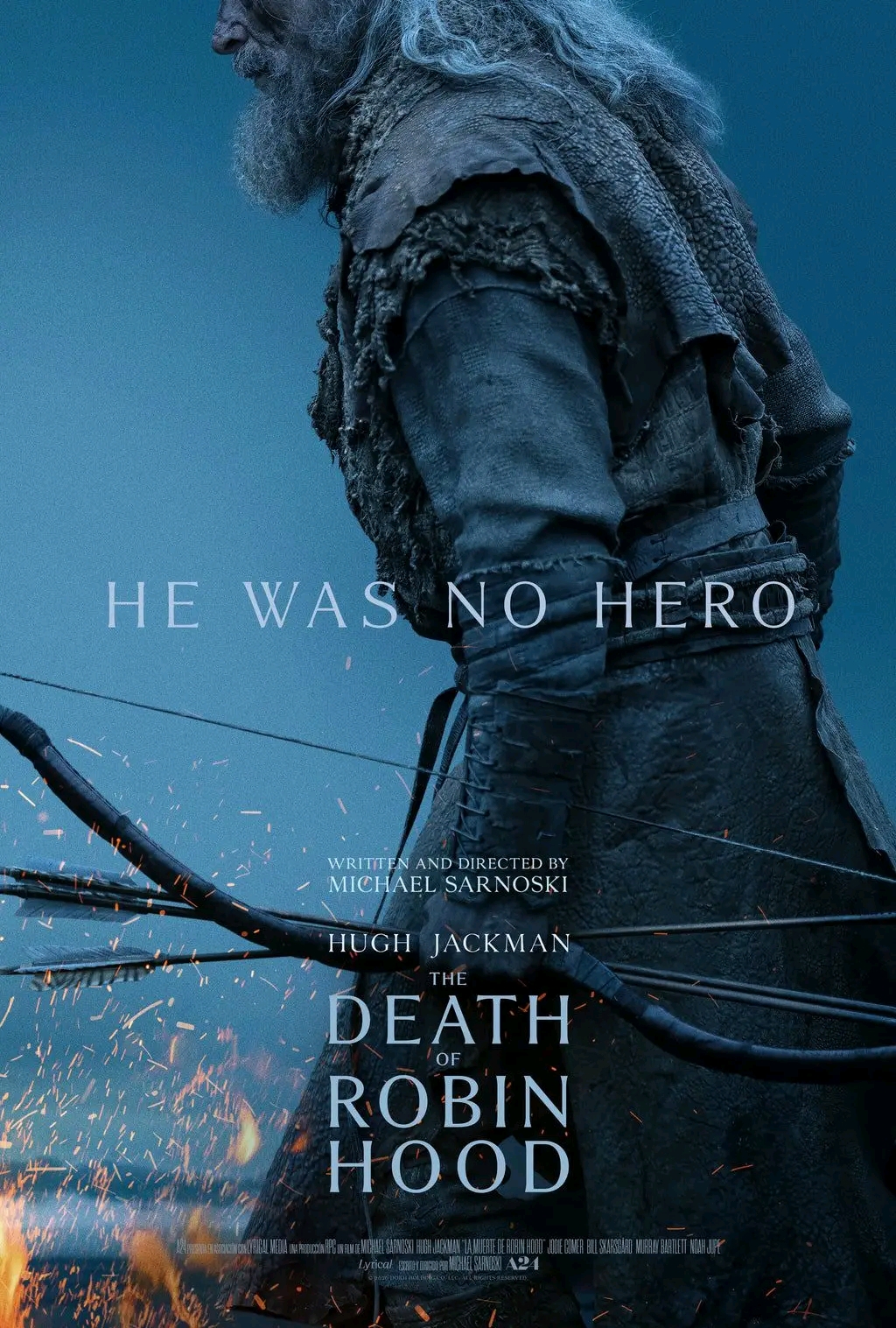
This is a film told in two halves. On the one hand, the bloody violence of the first half, especially violence towards children, turned me off. We see graphic neck-stabbings, bone-crushing, and even some bloody jaw ripping. The extreme initial cruelty is designed to make the audience uncomfortable, forcing us to sit with the weight of Robin’s sins as he attempts to reconcile his bloody legacy before he dies. I like the bind it places viewers in because it doesn’t make his redemption inevitable. The question becomes not just whether the characters will forgive him, but whether viewers can.
Initially, the pace of the film slows down considerably as Robin Hood convalesces in a priory. This is where the film may lose viewers. This section features some sincere, introspective moments in which characters talk about their regrets. The scene where Robin communes with a bandaged leper is genuinely tender.
At first, I wondered why this monster must be Robin Hood? But seeing Robin Hood do it forces the audience to immediately confront their own willingness to romanticize historical violence. This is a deliberately polarizing movie destined to flop with most audiences.
However, in the years to come, I predict my appreciation of this work will grow. ★ ★ ★