Tuner is the latest example of thrillers built around sound. Many movies throughout film history feature characters who overhear or eavesdrop on murder plots or actually commit murders themselves. These films not only reflect the growing political paranoia of their times, but each also accentuates its own soundscape in a special way. Here are three classic thrillers built around sound.
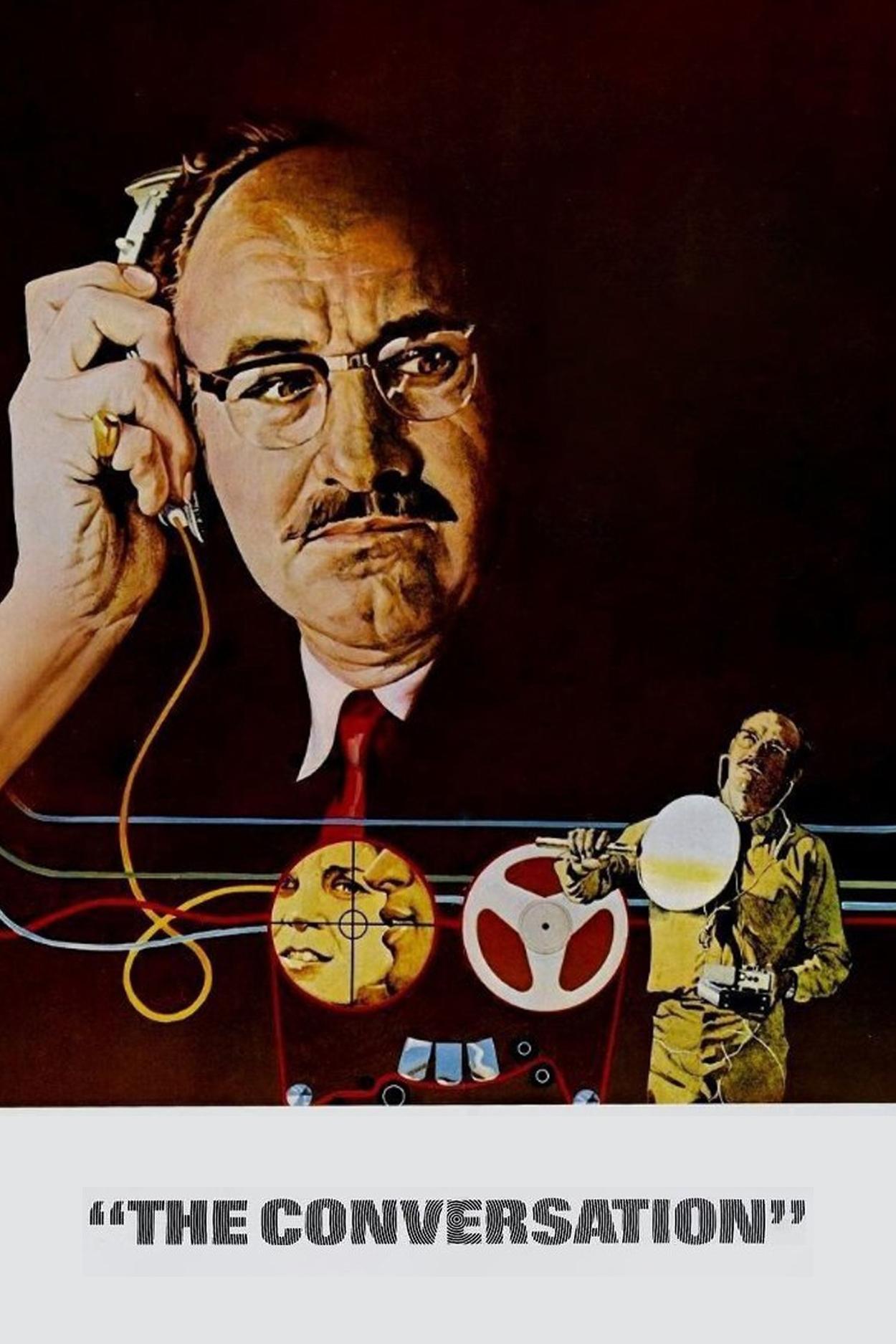
[imbd.com]The Conversation is a movie I hold in high regard. Rather than focusing on the person being surveilled, this story focuses on the one doing the surveillance. Here, an always engaging Gene Hackman plays a lonely surveillance expert who thinks he may have overheard a murder plot. The achievement here is in merging the technical and the psychological. Unlike most films, where the audience is meant to focus on the visual aspects, director Francis Ford Coppola accentuates the various audio components of this story. Specifically, the film draws attention to background music, sound distortions, and most importantly, the titular conversation where a murder is planned. That would be entertaining enough for me, but then the film uses the spinning reels of a tape recorder, a blood-soaked bathroom, and repetition of the song “Red, Red Robin” to punctuate our protagonists’ descent into paranoia. 50 years later, the film remains a tense and timely look at a world where it feels like everyone could be listening. ★★★★
[imbd.com]Not only is Blow Out one of Brian De Palma’s best films, but the movie also sports a terrific use of cinematic sound. In a strange brew of references to Italian cinema and Chappaquiddick, we follow the story of a sound effects artist who accidentally overhears a political assassination. Anchored by a surprisingly strong performance from John Travolta, this movie doesn’t simply remake Antonioni’s Blow Up so much as re-imagine its premise to emphasize a particular post-70s American paranoia around surveillance. Like with The Conversation, the film heavily relies on the technical process of sound engineering. Throughout the movie, Travolta is seen recording ambient noises (like wind and screams), cutting and splicing tape, and isolating audio layers to uncover the sound of a hidden gunshot. For remarkable displays of film color, check out the climactic murder scene, accentuated by the fiery reds and blues of a nearby 4th of July parade. ★★★1/2
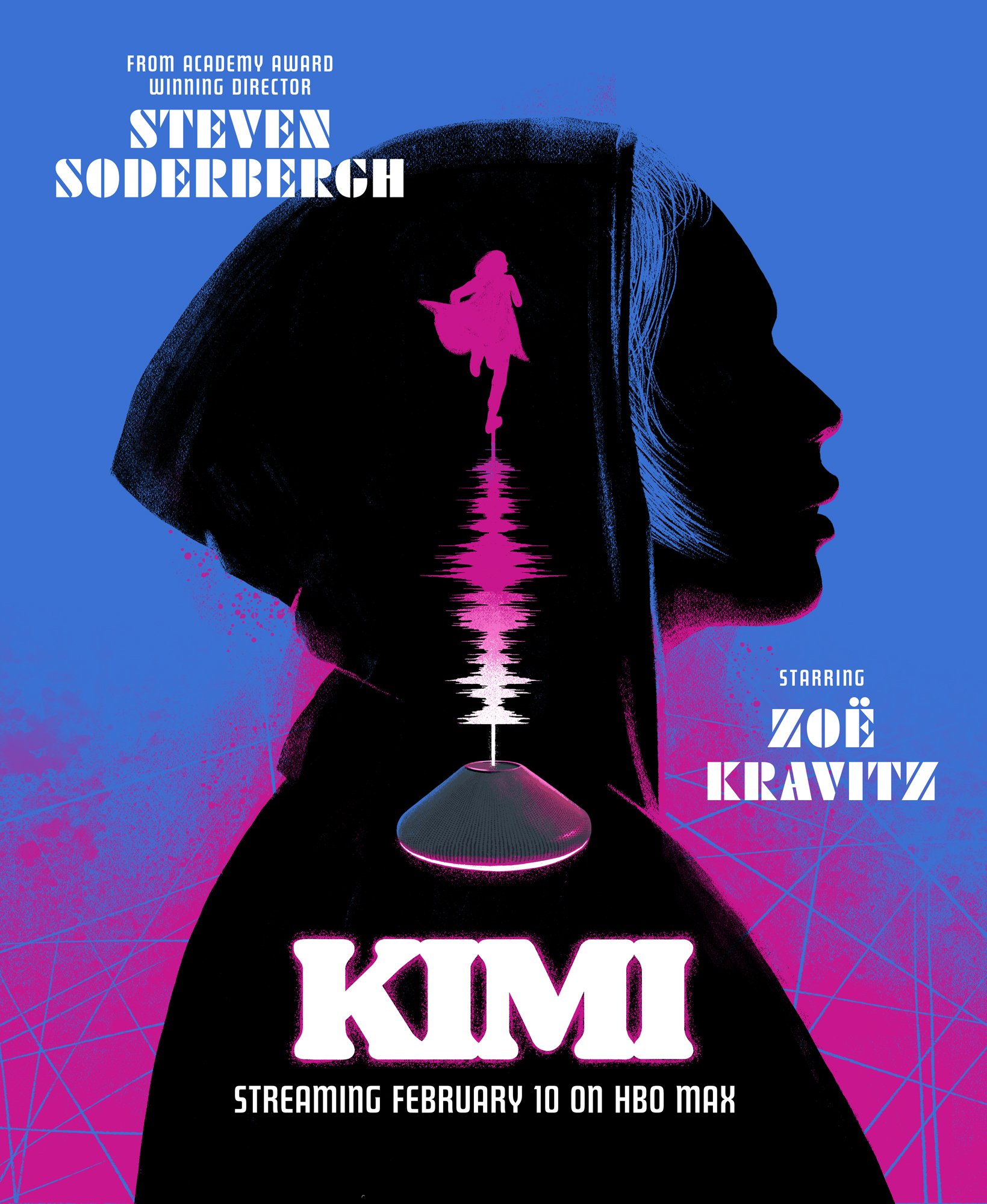
[imbd.com]Kimi is the type of movie Hollywood used to make in abundance: a crafty, compact little thriller made for adults. So, thank the Lord that Steven Soderbergh and company concocted this tense techno-thriller to help us exorcise some of our pandemic ghosts. The movie begins like that 1950s movie Rear Window, with a character isolated in their apartment peeping in on their neighbor. Then, after possibly overhearing a murder, the film echoes the ’70s flick The Conversation. When villains come calling, and our hero must venture out into the pandemic-era world, the film becomes an effective look at a particular type of post-2020 paranoia. That’s what I enjoyed most about this movie, in addition to a strong turn from Zoe Kravitz, the film blends paranoia thrillers of previous decades to address the fears and anxieties of this one. ★★★1/2