

News
Researchers at Ohio University want to make repairs to aging infrastructure less disruptive
By: David Forster
Posted on:
ATHENS, Ohio (WOUB) — Southeast Ohio is full of aging infrastructure, including miles and miles of underground pipes that are decaying. Many people encounter the symptoms of this issue in lane closures and detours while work crews rip up the street to get to some pipe that needs to be repaired or replaced.
Shad Sargand is a professor of civil engineering at Ohio University. He’s the lead investigator on a three-year study looking into an alternative to digging up these pipes, which would result in a lot less disruption and frustration.
He sat down to speak with WOUB’s David Forster for “Modern Science.”
This interview has been edited for brevity and clarity.
On the new technology the researchers are investigating
“They have a liner that is made of a typical material like a fiberglass. They saturate that liner with epoxy. Then they put it inside of the pipe. The liner will form the shape that the existing pipe has. Then after that, what they do is that they bring in some other element, heating or something to cure this product. Once it cures, they remove the heating unit and then you have a pipe there.
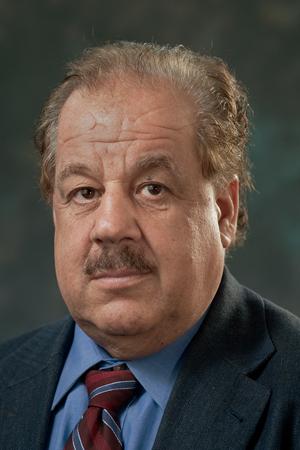
The new technology will result in less traffic disruption
“It would be significantly cheaper and safer. First of all, when you’re digging a road and you’re removing the pipe and you put new pipe, that’s costly because you have to remove something and put a new one there. The second thing is when you’re digging, that means closing traffic. It costs taxpayers because they have to find another way to get from point A to B, so that is creating a lot of headache in some cases because of the traffic detour.”
On the need to reline pipes more than once
“I doubt that you will need to do that. But that’s something that we also will study in this thing because we are looking at the strength of this material. To see how it is affected by the temperature, by the environment. I know that the answer to this probably is going to vary depending on conditions.
“If the design is proper and its installed properly, it will be 30, 40 years. It will be not the issue.”
The first draft of the transcript used for this story was created in Adobe Podcast, which includes an AI transcription tool. A WOUB news editor then reviewed, corrected and reformatted the transcript before publication.