

You are viewing the "science" Archives
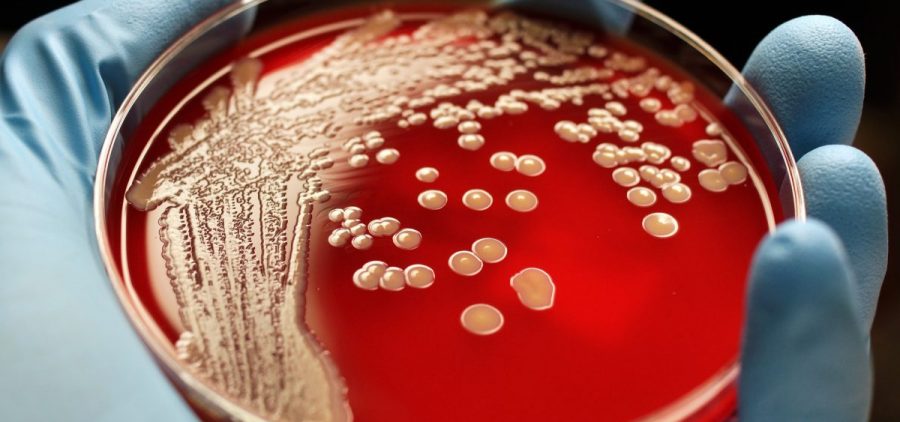
To Find The Next Antibiotic, Scientists Give Old Drugs A New Purpose
By: Luisa Torres | NPR
Posted on:
Scientists discovered that a medication used to treat parasites in horses can fight deadly staph infections. It’s a promising new approach to solving the problem of antibiotic resistance.
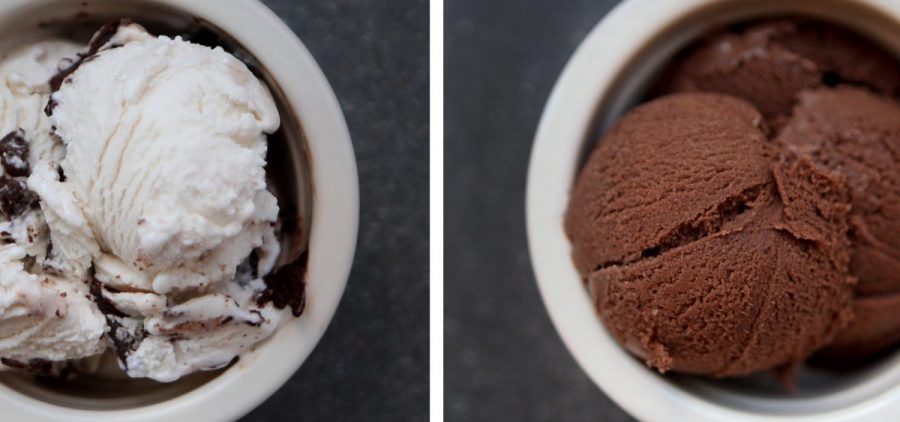
I Scream, You Scream, We All Scream For … Lab-Grown Animal Proteins!
By: Maria Godoy | NPR
Posted on:
Some startups are making synthetic versions of animal proteins for use in foods from smoothies to baked goods. The goal: to reshape the food supply without the environmental footprint of livestock.
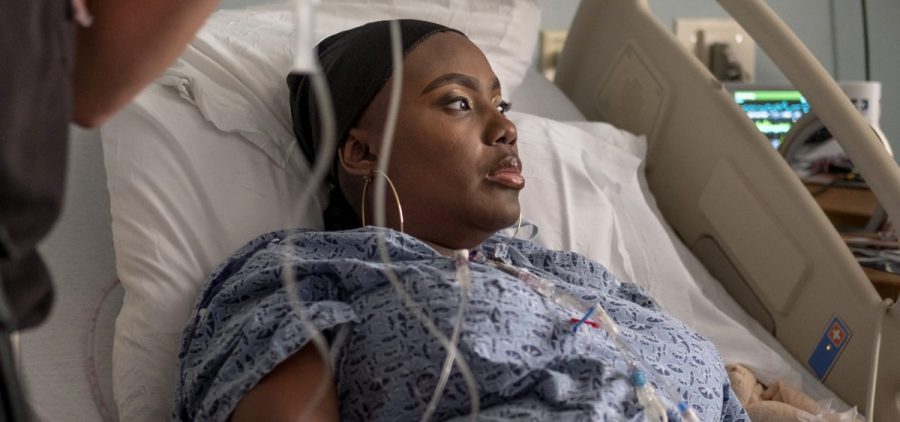
In A 1st, Doctors In U.S. Use CRISPR Tool To Treat Patient With Genetic Disorder
By: Rob Stein | NPR
Posted on:
Victoria Gray, 34, of Forest, Miss., has sickle cell disease. She is the first patient ever to be publicly identified as being involved in a study testing the use of CRISPR for a genetic disease.
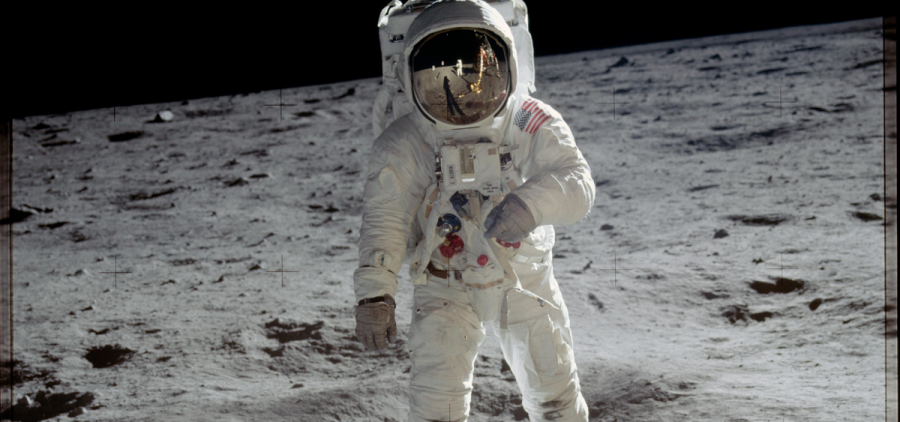
How A 10-Year-Old-Boy Helped Apollo 11 Return To Earth
By: Josh Axelrod | Mia Warren | NPR
Posted on:
Greg Force was just a boy when his father, the director of a NASA tracking station in Guam, called home with an important mission for him: to help the crew of Apollo 11 return safely to Earth.

The Science Of Smiles, Real And Fake
By: Maanvi Singh | NPR
Posted on:
According to the facial feedback hypothesis, the simple act of putting a smile on your face can boost your mood. But recent research shows pasting on a grin can have mixed results.
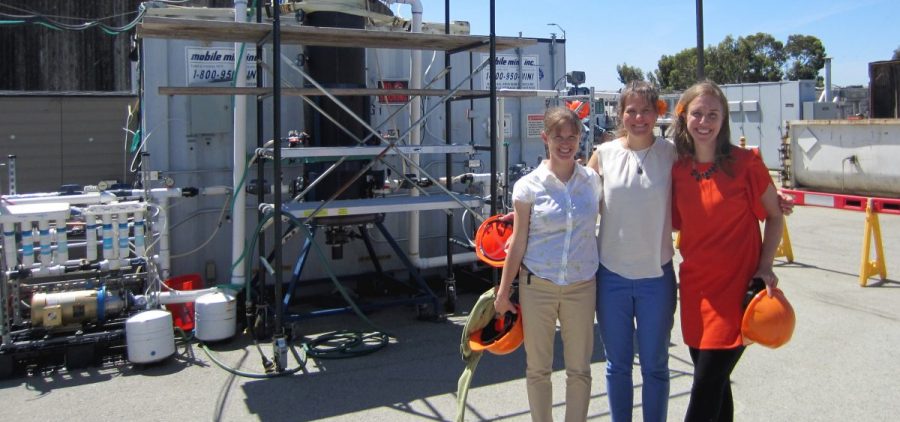
Replacing Plastic: Can Bacteria Help Us Break The Habit?
By: Christopher Joyce | NPR
Posted on:
Entrepreneurs are eager to find substitutes for plastic that naturally degrade. One option is a “natural” plastic made by microbes and then eaten by them. But the process is still in the early days.
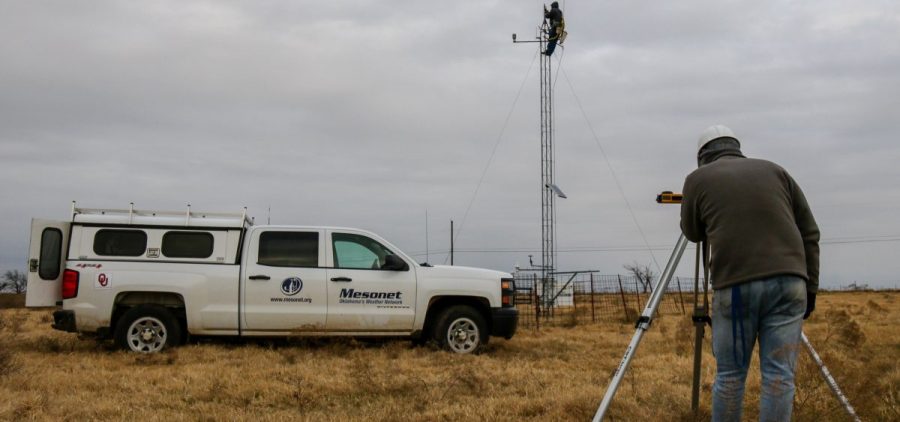
Winter Storms To Heat Waves, How Better Climate Data Can Make Us More Prepared
By: Joe Wertz | NPR
Posted on:
Scientists are getting more and better data on our changing climate. Now, there’s a push to use it to help people cope with the extremes we know are coming.
West Virginia University Wins NASA Robotics Contest
By: Associated Press
Posted on:
MORGANTOWN, W.Va. (AP) – A West Virginia University robotics team has won a NASA competition for the second time in three years. The college on Friday announced the team’s win… Read More

Spotted: A Swarm Of Ladybugs So Huge, It Showed Up On National Weather Service Radar
By: Merrit Kennedy | Dani Matias | NPR
Posted on:
Meteorologists in Southern California were puzzled by the big green blob on their radar — it looked like a rainstorm on what was a clear day. Then they discovered it was beetles.

You May Be Stressing Out Your Dog
By: Rebecca Hersher | NPR
Posted on:
When people who own dogs are stressed, their dogs also get stressed, a new study suggests. It’s another indication of how emotionally synchronized dogs and their humans can be.
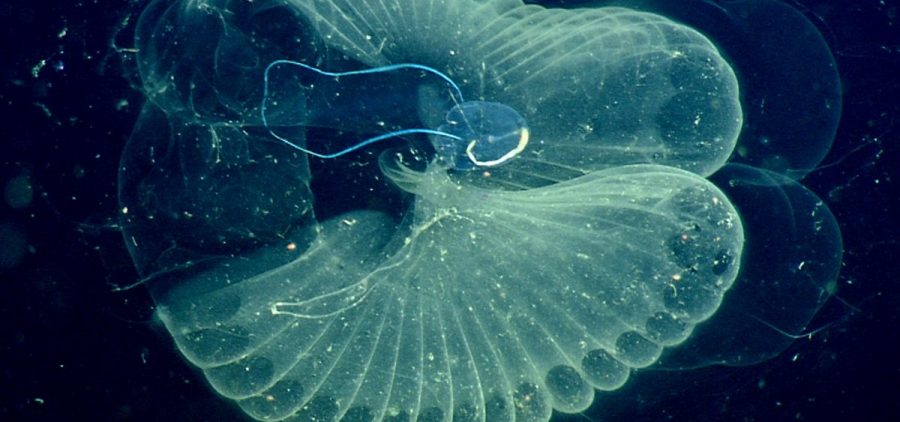
Microplastics Have Invaded The Deep Ocean — And The Food Chain
By: Christopher Joyce | NPR
Posted on:
Giant gyres of plastic in the ocean grab headlines, but it’s the tiny bits of plastic that scare scientists. And they’ve made their way everywhere, a new study finds – including our seafood.
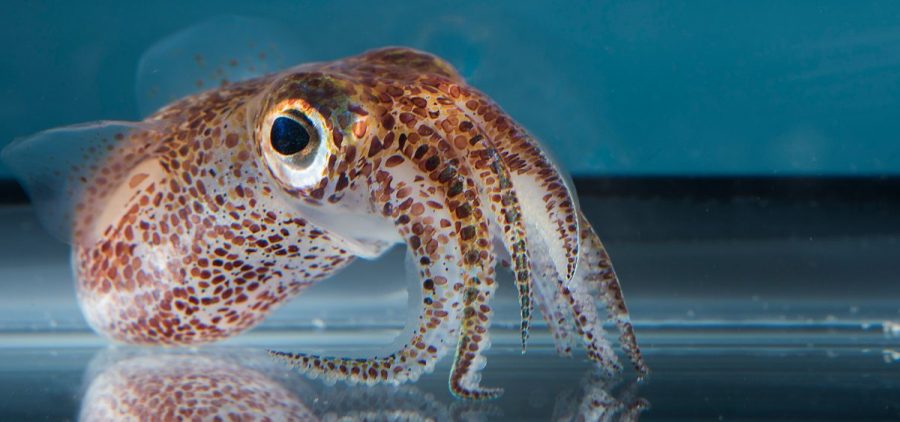
Why Octopuses Might Be The Next Lab Rats
By: Nell Greenfieldboyce | NPR
Posted on:
Move over, fruit flies, rats and zebrafish. Squid and octopuses have elaborate brains and behaviors, and scientists say studying them in the laboratory could yield important biological insights.

Study Shatters Preconceived Notions About Urban Vs. Rural Obesity
By: Susan Brink | NPR
Posted on:
The conventional wisdom is that city life makes you fat and rural life keeps you trim. A new study looks at the numbers to see if that holds true.
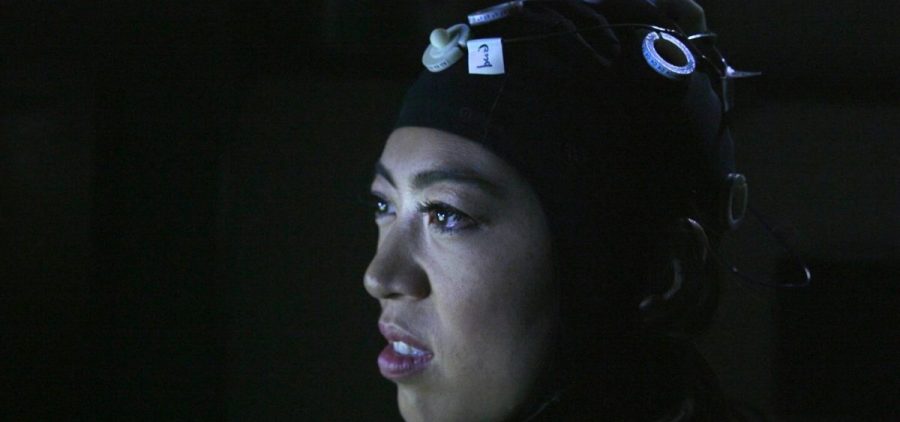
Mind-Machine Meld: How Computer-Assisted Telepathy Helps Humans Communicate
By: Elise Hu | NPR
Posted on:
The next phase of human evolution seems headed toward merging biological bodies with machines, and in the first video of Future You, Elise Hu gets connected to a network and plays a game her thoughts.
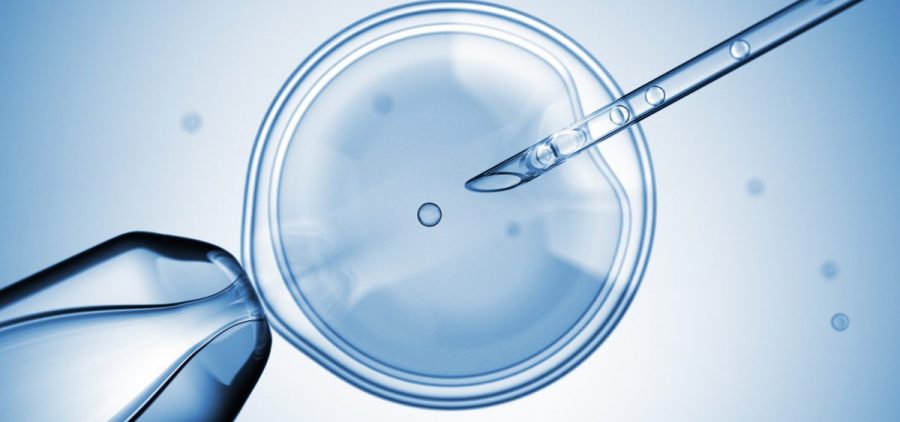
Why Making A ‘Designer Baby’ Would Be Easier Said Than Done
By: Richard Harris | NPR
Posted on:
Ethical concerns aside, the genetic ingredients for human traits are so complex that editing a few embryonic genes is unlikely to have much effect — or achieve the fantasy of enhancing humans.
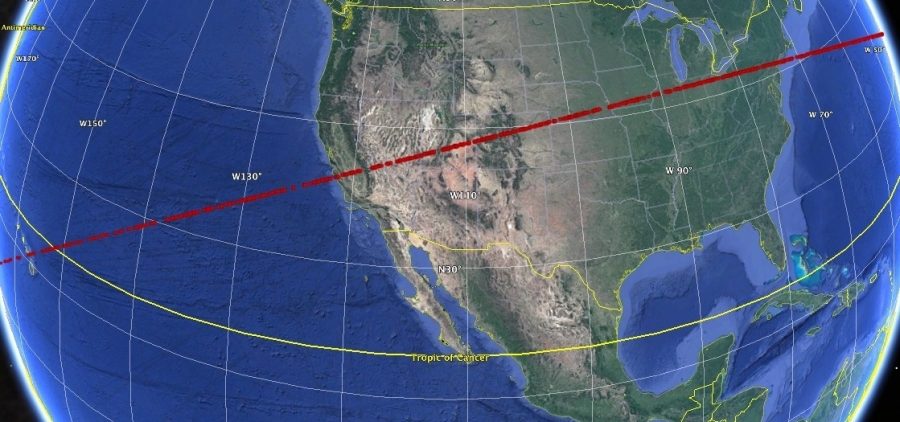
This Week, NASA Is Pretending An Asteroid Is On Its Way To Smack The Earth
By: Nell Greenfieldboyce | NPR
Posted on:
A fictitious asteroid is the focus of a realistic exercise, as experts at the Planetary Defense Conference run through how the Earth would respond to news of a looming asteroid strike.
New OK for Out-of-Sight Flights Expands Ohio Drone Research
By: Associated Press
Posted on:
SPRINGFIELD, Ohio (AP) – Researchers will expand testing of defense-related drone technology with new permission to fly beyond their line of sight in a limited area of Ohio. The Federal… Read More
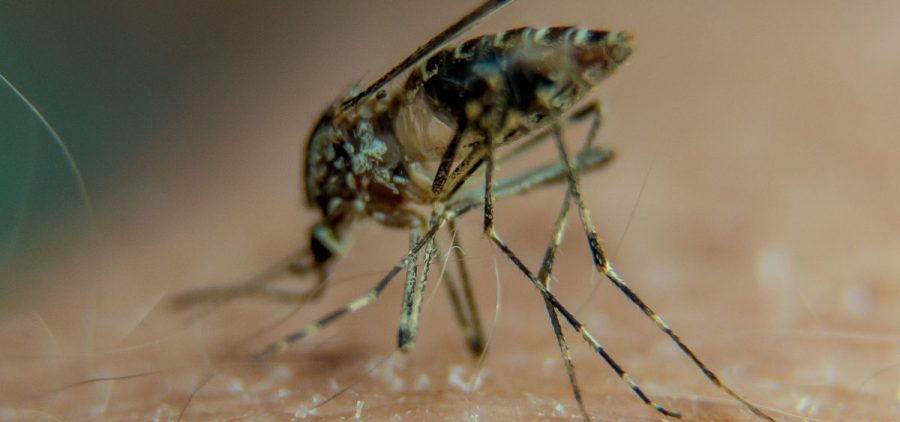
How Do Mosquitoes Taste DEET? Hint: It’s Not Their Mouthparts
By: Jonathan Lambert | NPR
Posted on:
It’s the only repellent that drives mosquitoes away when they come in contact with it. A new study has a theory about why that is.
Decoded Brain Signals Could Give Voiceless People A Way To Talk
By: Jon Hamilton | NPR
Posted on:
Scientists have found a way to transform electrical signals in the brain into intelligible speech. The advance may help people paralyzed by a stroke or disease, but the technology is experimental.
First U.S. Patients Treated With CRISPR As Human Gene-Editing Trials Get Underway
By: Rob Stein | NPR
Posted on:
This could be a crucial year for the powerful gene-editing technique CRISPR as researchers start testing it in patients to treat diseases such as cancer, blindness and sickle cell disease.
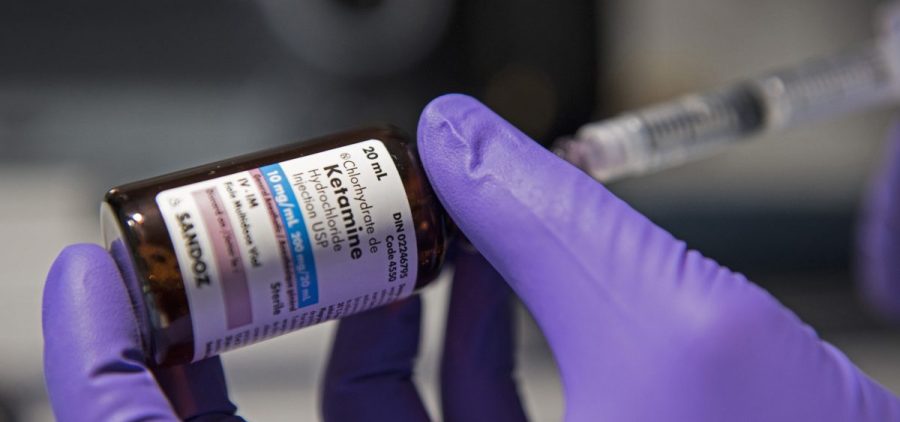
Ketamine May Relieve Depression By Repairing Damaged Brain Circuits
By: Jon Hamilton | NPR
Posted on:
Scientists are learning how the party drug ketamine relieves depression so quickly — and why its effects fade over time.
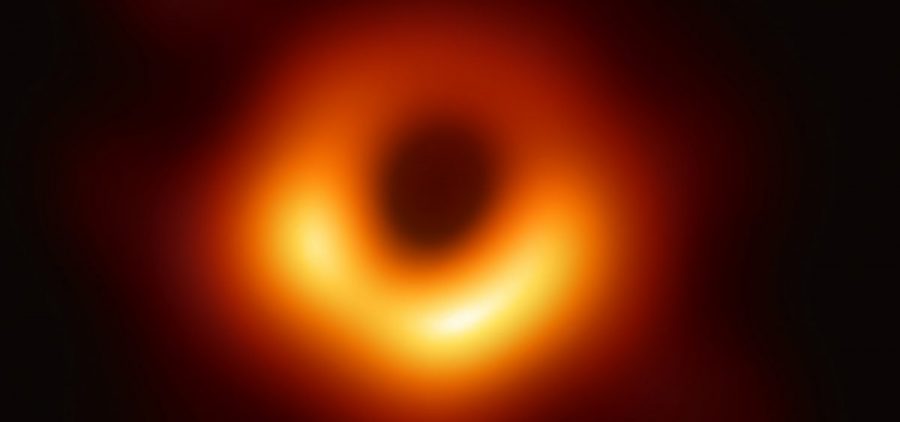
A Black Hole Is Photographed For First Time By Massive Telescope Project
By: Bill Chappell | NPR
Posted on:
“For the first time we have seen what we thought was unseeable,” said Event Horizon Telescope Director Shep Doeleman, as the first image of a black hole was released.
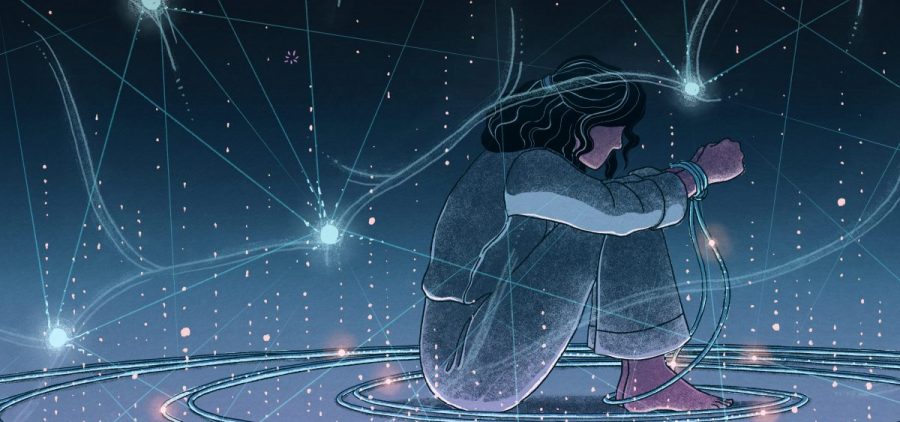
Are We Ready For An Implant That Can Change Our Moods?
By: Alix Spiegel | Jonathan Lambert | NPR
Posted on:
Deep brain stimulation offers relief from some neurological problems and is being tested for mood disorders. But the treatment — an implant in the brain — raises ethical questions.

EPA Science Panel Considering Guidelines That Upend Basic Air Pollution Science
By: Rebecca Hersher | NPR
Posted on:
Some panel members said they don’t agree that breathing sooty air can cause premature death. The panel’s draft recommendations to the EPA would change how it assesses the dangers of air pollution.
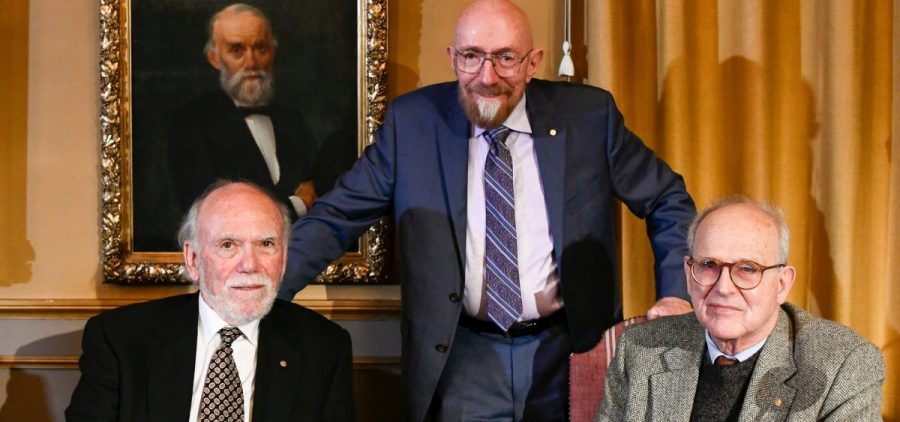
Massive U.S. Machines That Hunt For Ripples In Space-Time Just Got An Upgrade
By: Nell Greenfieldboyce | NPR
Posted on:
The twin sites in the Laser Interferometer Gravitational-Wave Observatory are about to go back online. New hardware should make them able to sense more colliding black holes and other cosmic events.
- « Previous Page
- 1
- < <
- 6
- 7
- 8
- 9
- 10
- Next Page »